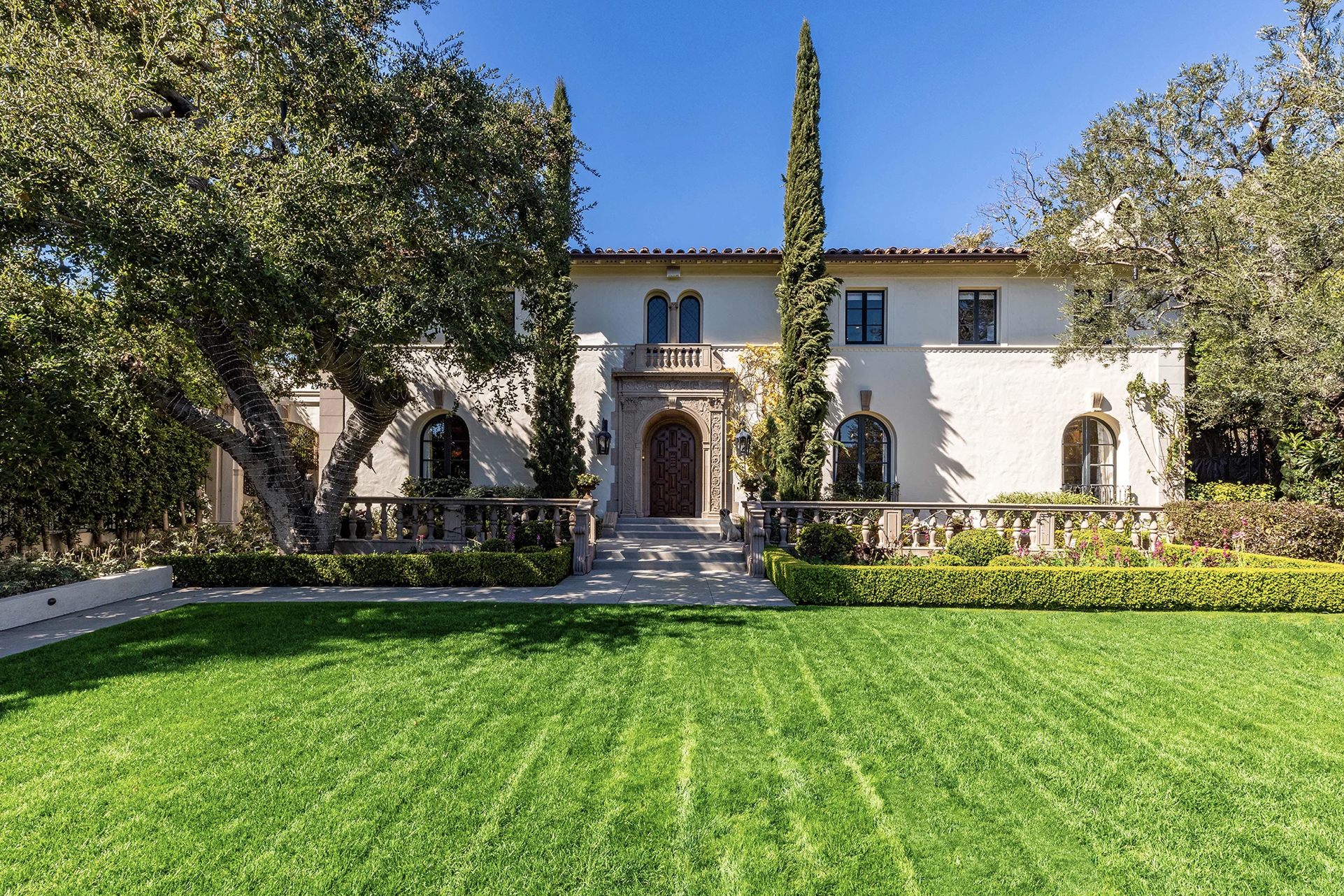
Hancock Park does not produce celebrity listings the way the Bird Streets or Trousdale do, which is exactly why this one matters. Sharon Osbourne has put the gated estate she shared with Ozzy on the market, and the sale of one of the neighborhood’s true trophy properties gives buyers a rare look inside the kind of home Hancock Park almost never lets go of.
The house sits at 501 South Hudson Avenue, on one of the wide, graceful blocks that define the neighborhood’s core. The Osbournes bought it in 2015 and made it their main Los Angeles residence for a decade. Following Ozzy’s passing in the summer of 2025, Sharon brought it back to market this spring, and the listing is held by Jonah Wilson and Josh Greer of Carolwood Estates.
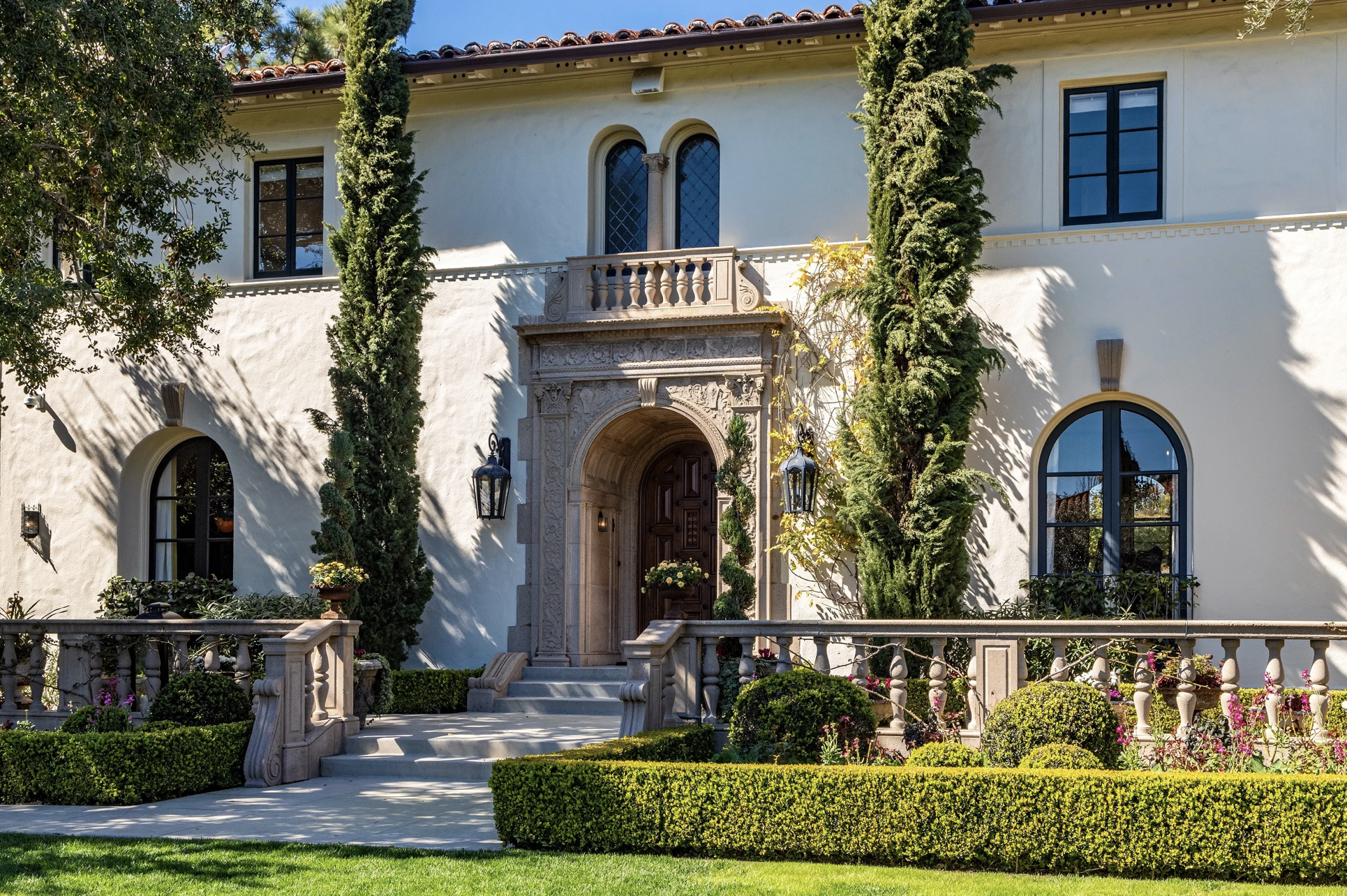
The House Itself
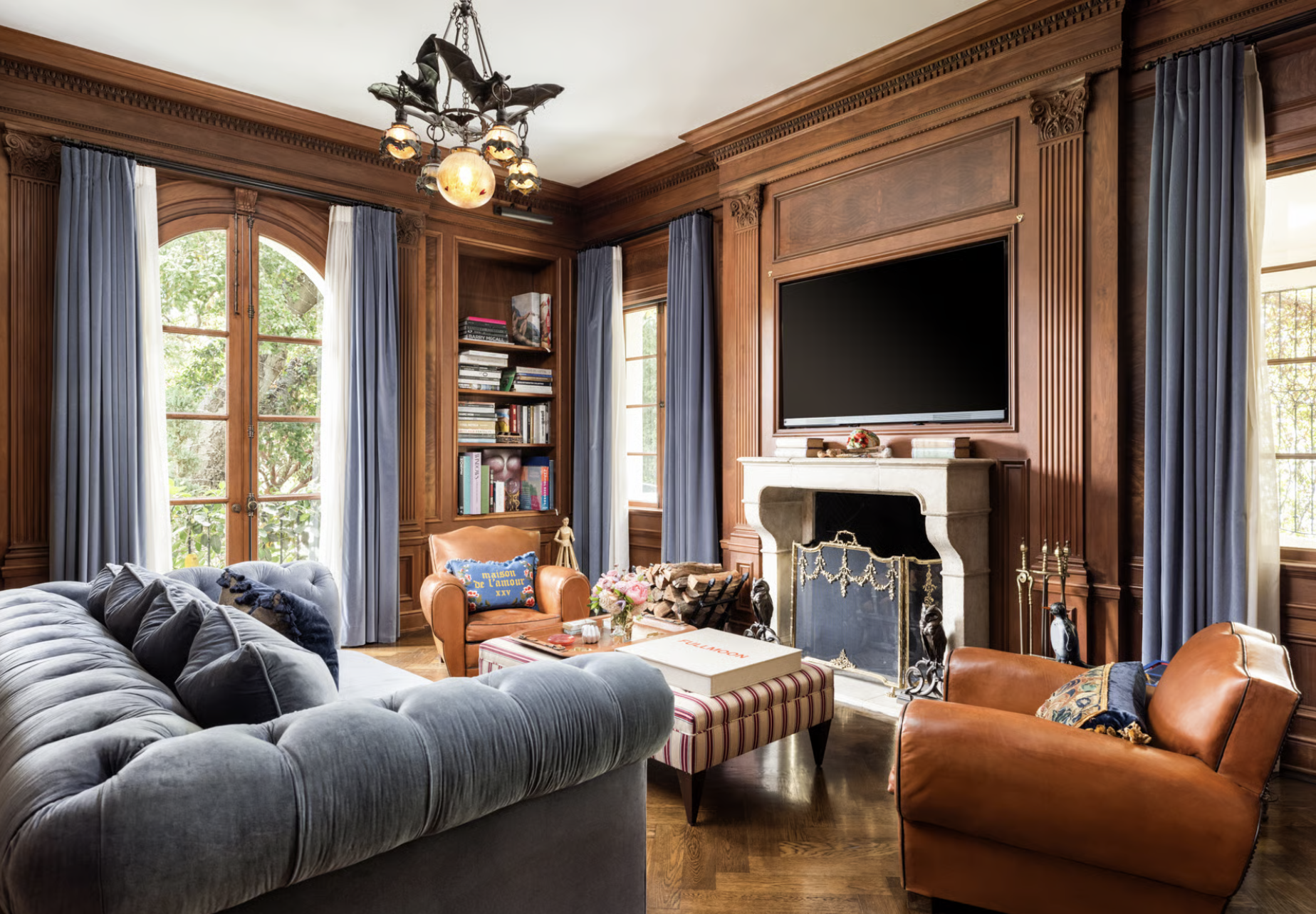
The estate is Hancock Park in its purest form. Built in 1929 and designed by architect A.K. Kellogg, it is a Spanish Revival landmark of roughly 11,500 square feet on about half an acre, restored over recent years with the kind of care the neighborhood’s best homes demand. The published materials describe a grand entry foyer, a wood paneled library, a formal dining room, and a chef’s kitchen opening to a family room, along with a lower level screening room finished with a bar, a fireplace and red velvet seating. An elevator serves every level. Outside there is a covered outdoor living room, a dining terrace with a pizza oven, a mosaic tiled pool, manicured lawns and a guesthouse.
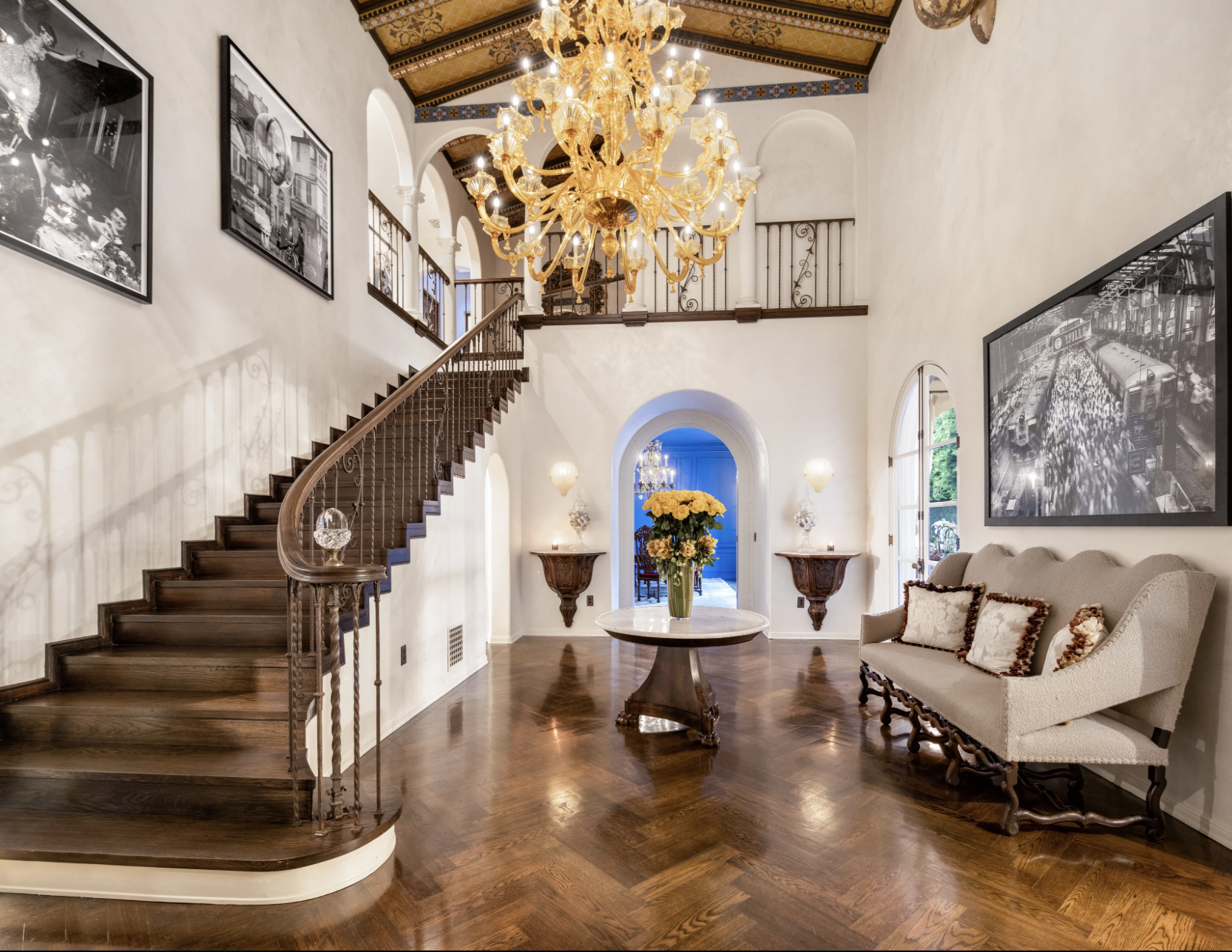
What makes a house like this valuable is not any single amenity. It is the fact that the period architecture survived. Los Angeles has lost an enormous share of its great 1920s estates to remodels that stripped the detail out of them, and the homes where the original woodwork, tile, scale and proportion remain intact trade at a premium that only widens over time. For buyers drawn to this architecture, our guide to Spanish Revival homes in Los Angeles covers why these houses hold their value the way they do.
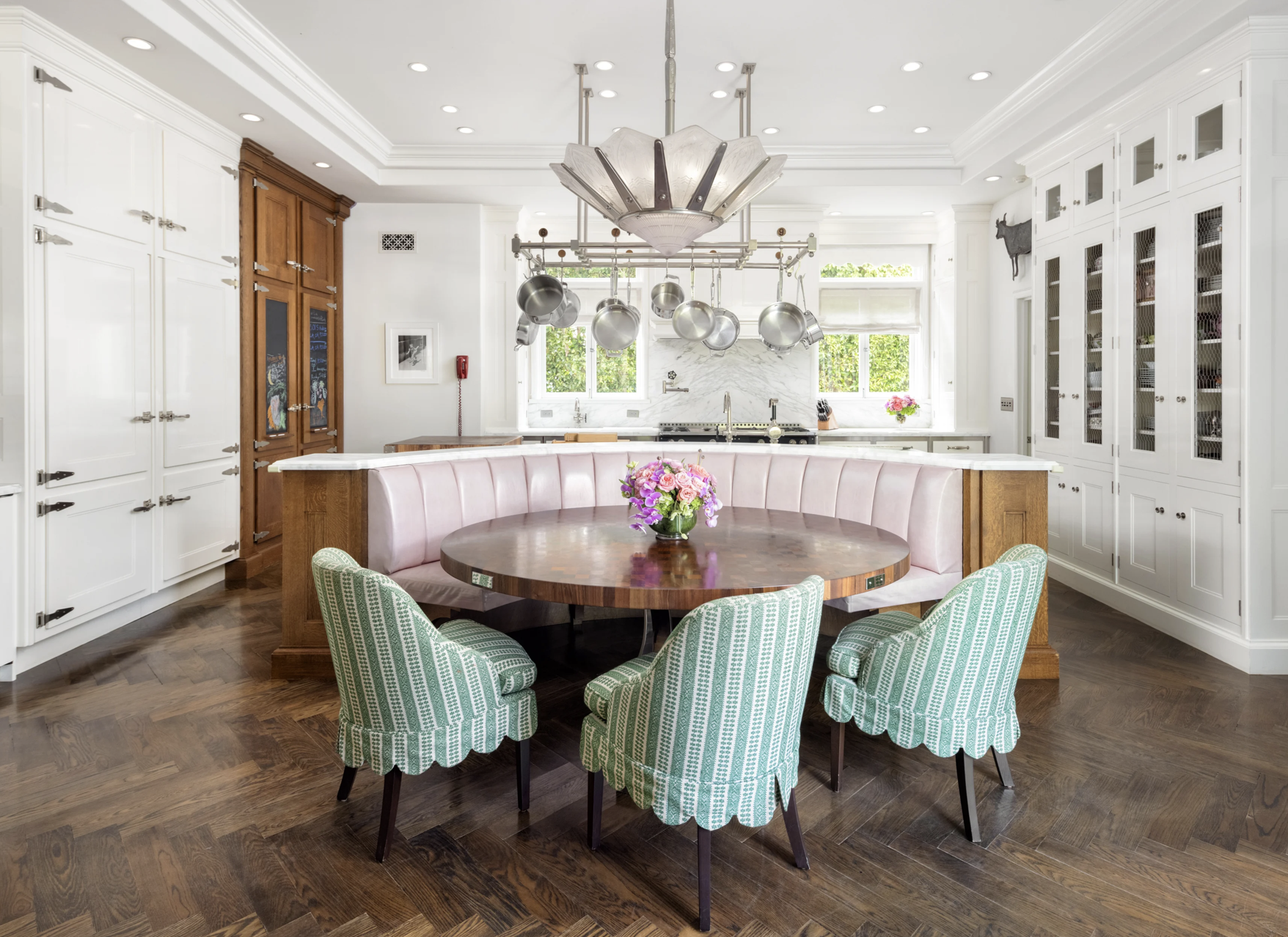
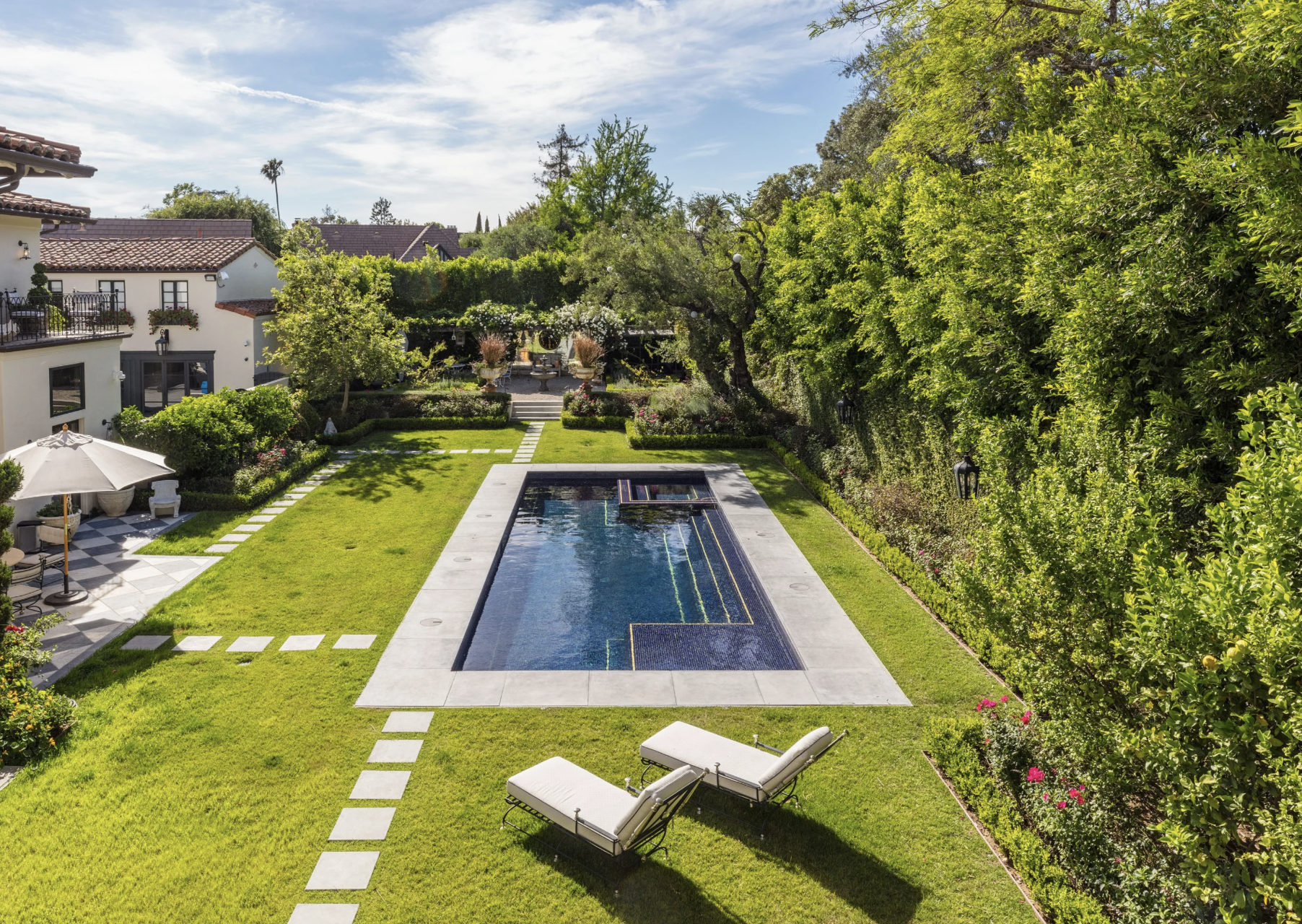
The Price History Tells Its Own Story
The numbers here are a useful case study in how the top of the market actually behaves. The Osbournes paid $11.85 million for the property in 2015. They first tested the market in July 2022 at $18 million, trimmed the price, and ultimately withdrew the listing rather than chase the market down. The house returned this April at $17 million, and this month the price was adjusted to $16 million.
None of that is a story of distress. It is a story of how trophy properties get priced. Homes like this have no true comparables, so the first number is always an opinion, and the market’s response is the only data that matters. A disciplined seller listens and adjusts; an undisciplined one lets a listing sit until it goes stale. Sellers weighing a similar decision can read more in our guide to timing a Los Angeles home sale. Buyers, meanwhile, should note that a sale at this level in the city of Los Angeles carries transfer tax consequences under Measure ULA, which we break down in our mansion tax guide
Why Hancock Park Keeps Winning These Buyers
The more interesting question is why the Osbournes, who could have lived anywhere, chose Hancock Park in the first place. The answer is the same one that draws a steady stream of entertainment, finance and legacy wealth to the neighborhood today. Hancock Park offers something the Westside mostly cannot: genuinely grand homes on large flat lots, on streets laid out in the 1920s by people who assumed the houses would stand for a century. They were right.
The neighborhood also protects what it has. Much of greater Hancock Park and neighboring Windsor Square sits within Historic Preservation Overlay Zones, which review exterior changes and keep the streetscapes coherent. That protection is a quiet engine of value, and it is worth understanding before you write an offer; our HPOZ guide for buyers explains how the process works in practice. Add the village feel of Larchmont a few blocks away, a central location that shortens commutes in every direction, and a housing stock that simply cannot be rebuilt, and you have a market where supply at the top is permanently scarce.
That scarcity is the real headline behind this listing. In any given year, only a handful of Hancock Park’s signature estates change hands, and many of the best trades happen quietly, before a sign ever goes up. When one of the neighborhood’s landmark properties comes to market publicly, it resets everyone’s sense of what the top of the market looks like, and it tends to pull serious buyers off the sidelines, including buyers who end up purchasing a different house entirely.
What Buyers Should Take From This
If you are watching this listing, watch the lesson inside it. Great houses in great neighborhoods are bought on architecture, land and location, and held for decades. The Osbournes owned this home through a full market cycle, and the estate they are selling is worth meaningfully more than the one they bought, not because of any renovation alone, but because Hancock Park itself kept compounding. That is the argument for buying the best block you can afford and the most intact architecture you can find, even when it costs more on day one.
Ben Kruger of Carolwood Estates, the same brokerage marketing the Osbourne estate, advises buyers and sellers throughout Hancock Park and the surrounding historic neighborhoods. If this listing has you thinking about the neighborhood, whether at this level or well below it, he is happy to share what is available, including what is quietly available, and help you make sense of the market.
