Home / Neighborhoods / Miracle Mile
Miracle Mile Homes for Sale
Museum Row on one side, quiet residential streets on the other, and some of the best character housing in central Los Angeles between them.
Home / Neighborhoods / Miracle Mile
Museum Row on one side, quiet residential streets on the other, and some of the best character housing in central Los Angeles between them.
About the Neighborhood
The Miracle Mile began as a bet on the automobile. In 1921 developer A. W. Ross bought eighteen acres along Wilshire Boulevard between La Brea and Fairfax — then surrounded by bean fields, oil derricks, and an airfield — reasoning that shoppers would soon drive rather than ride streetcars downtown. The name arrived around 1928, reportedly from a skeptical friend's remark about Ross's ambitions. Desmond's department store validated the idea from the Art Deco Wilshire Tower in 1929, and Silverwoods, Coulter's, and the 1939 May Company followed, each with generous parking. The residential blocks behind the boulevard filled in through the 1920s, thirties, and forties.
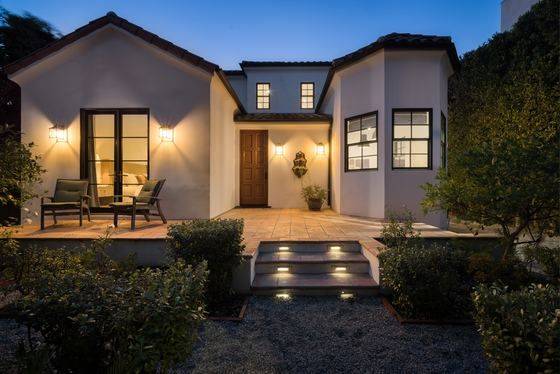
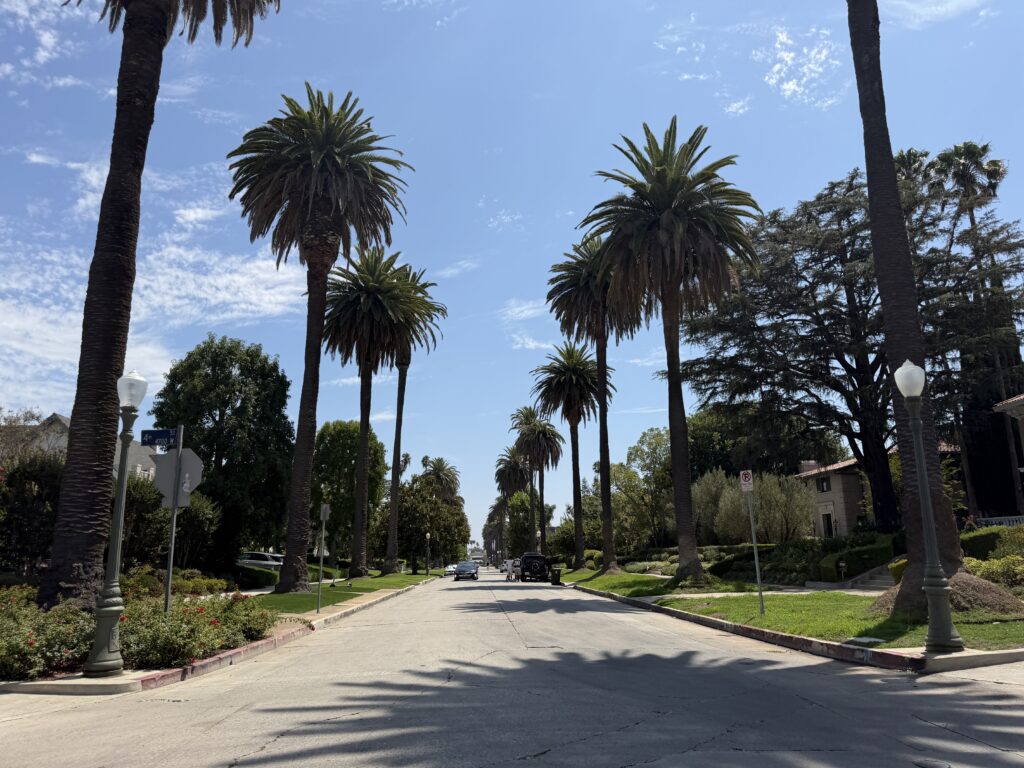
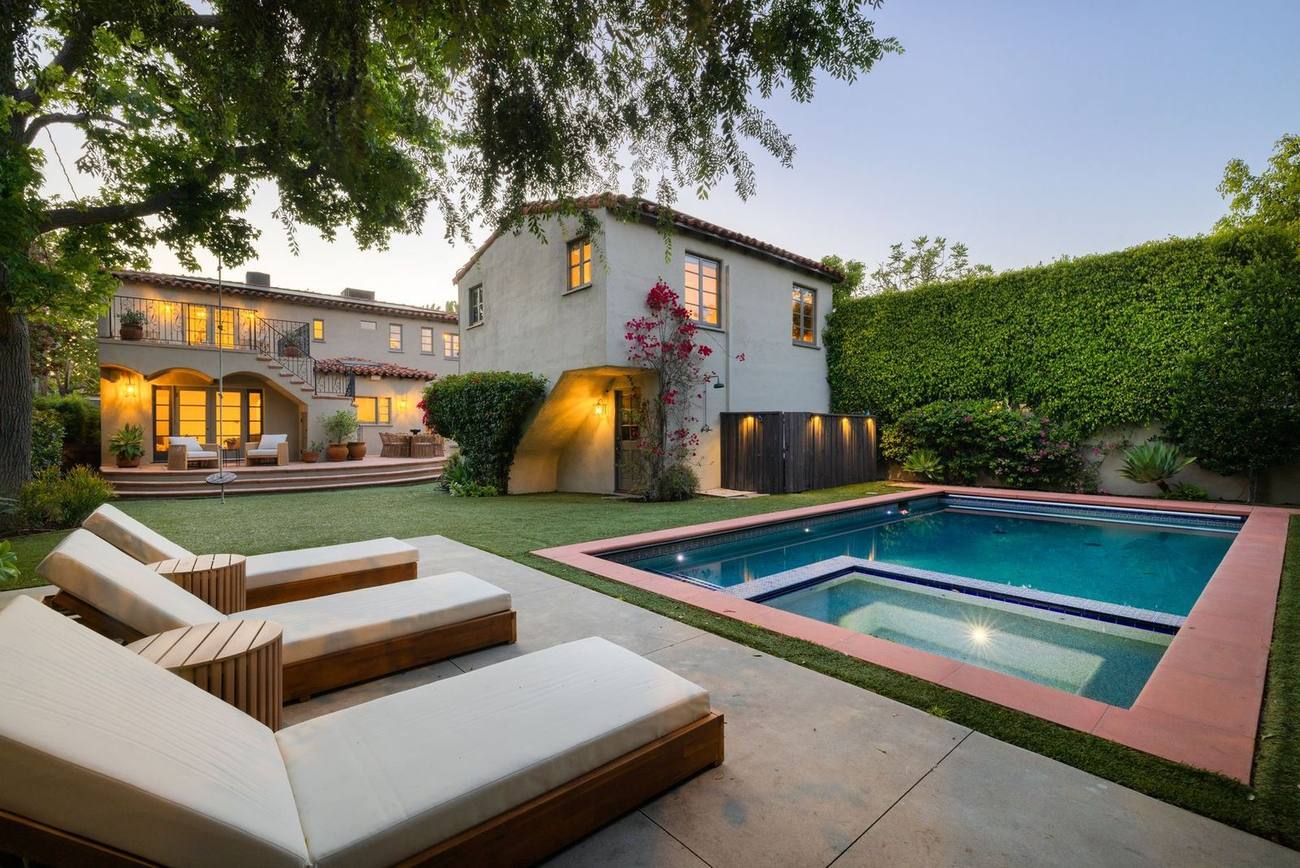
That fill-in is what buyers see today: Spanish Colonial Revival, Tudor, French, and American Colonial Revival houses alongside one of the city's deeper stocks of 1920s and 1930s duplexes and fourplexes, many with original detail intact. Minimal Traditional houses and postwar apartment buildings thread through, and the district's preservation survey records construction reaching from 1921 into recent decades, with the twenties through forties dominant. North of Wilshire, Park La Brea's towers and garden apartments — a 1940s development — form their own world. Streets are gridded and flat, with driveways, small garages, and a mix of owners and long-term renters.
Two HPOZs now govern the housing. The Miracle Mile HPOZ — its preservation plan is dated December 2016, and the city council acted on the district in 2017 — covers the blocks from Wilshire south to San Vicente between La Brea and Orange Grove, routing visible exterior changes through preservation review. The smaller Miracle Mile North HPOZ, adopted in December 2010, covers blocks north of Wilshire. The boulevard itself is another story: transit-oriented incentives around the new subway stations mean the commercial edge will keep densifying, so a buyer one block off Wilshire should check what is entitled nearby before falling for the view.
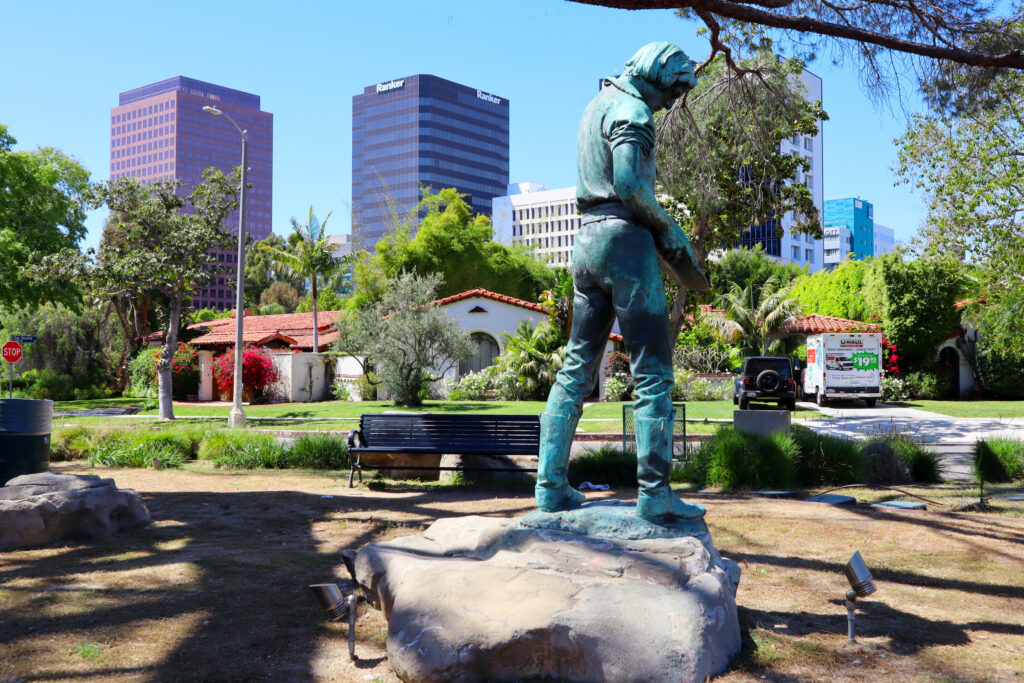
The neighborhood's public face is Museum Row. LACMA's David Geffen Galleries opened on April 19, 2026, ending years of construction along Wilshire; the Academy Museum opened in 2021; the Petersen Automotive Museum and the La Brea Tar Pits — the latter with its own long-range redesign in planning — complete the row. On May 8, 2026, the D Line subway extension opened, and the Wilshire/La Brea and Wilshire/Fairfax stations put downtown within a direct ride. Between museums, offices, and transit, the district keeps a weekday and weekend rhythm unlike the much quieter HPOZ streets a block away.
Verify the details this district makes unusually consequential. Contributor status under the HPOZ shapes what you can change, down to windows. School assignment is genuinely murky here — Wilshire Crest Elementary serves much of the area on current maps, while some western and northern blocks map to Hancock Park Elementary, and local guides disagree — so run the parcel through LAUSD's tools. Income-property buyers should confirm rent-stabilization coverage and tenancies. Check preferential-parking districts near the museums, and ask about event-day traffic. Finally, review planned projects on adjacent commercial lots; the station areas are the district's most changeable ground.
Life Here
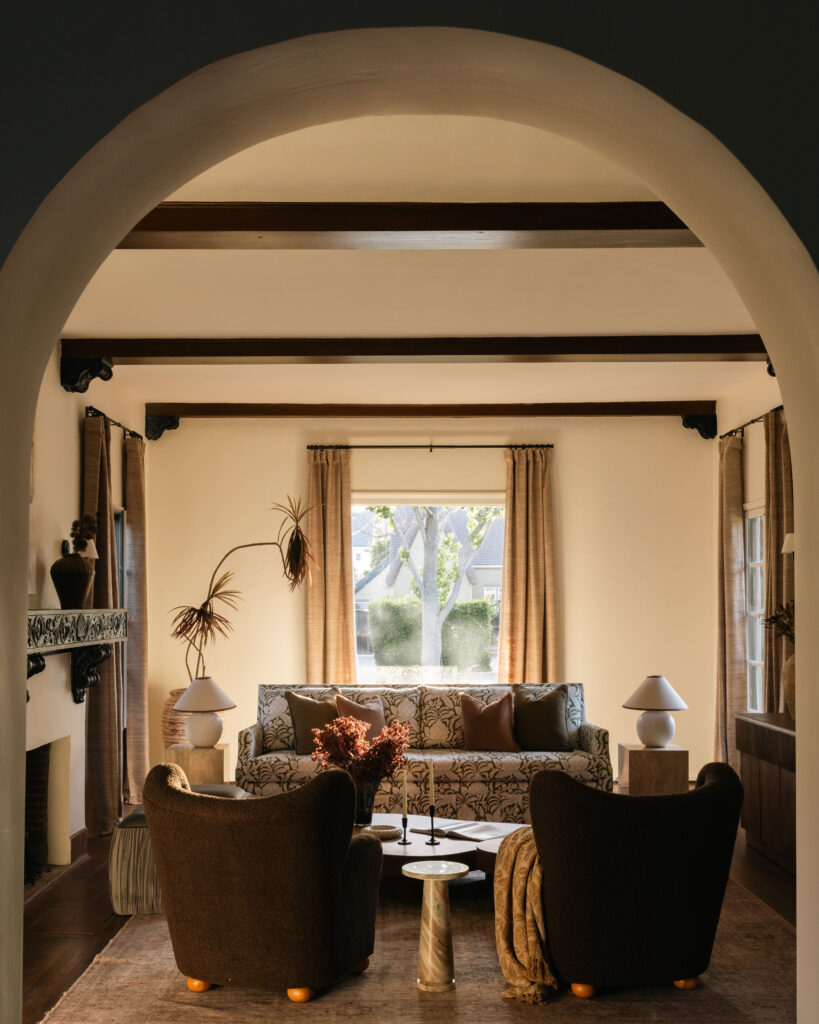
Spanish, Tudor and Deco homes from the neighborhood’s first golden age, many lovingly restored, on blocks that feel like a film set.
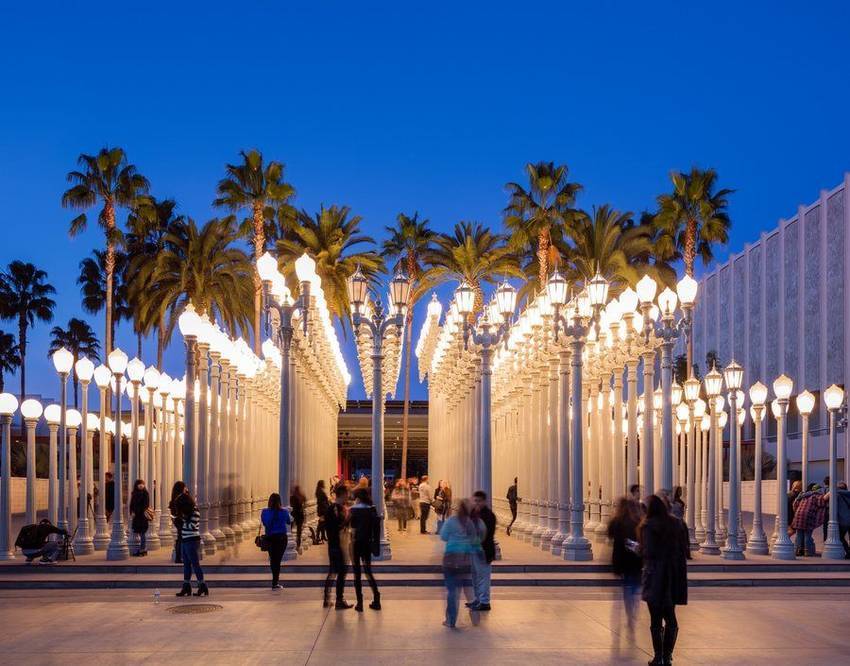
LACMA, the Academy Museum and the Tar Pits within a short walk, with the city’s best people watching in between.
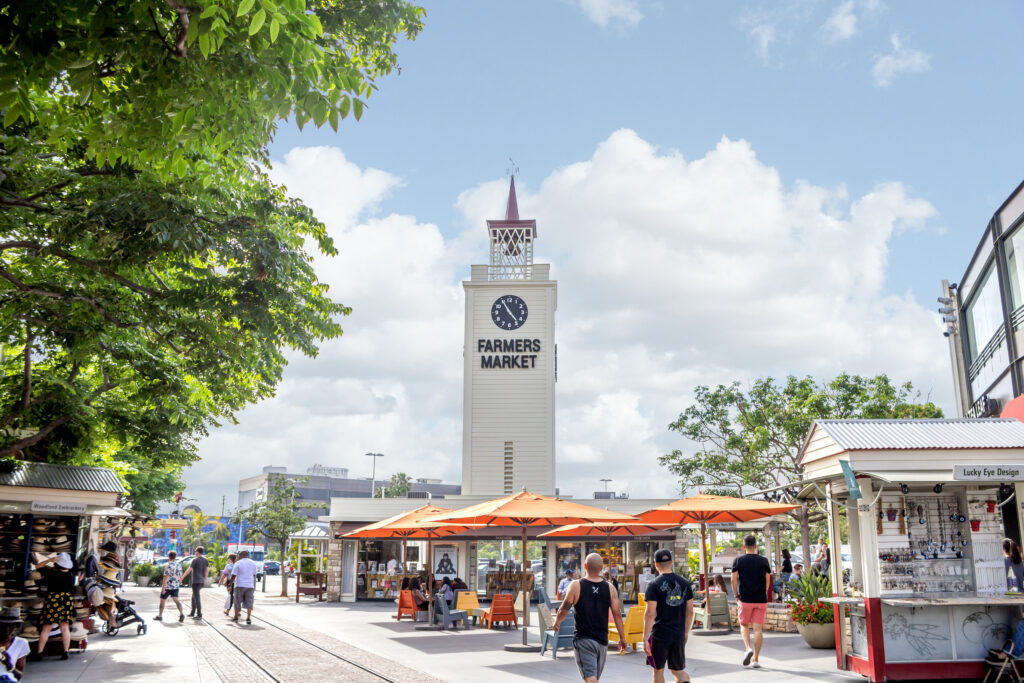
The true center of the map. Hancock Park east, Beverly Grove north, and the whole city within reach.
Condominiums
Education
Assignments split within the district at both levels — elementary parcels divide between Wilshire Crest and Hancock Park, and high school parcels between Fairfax and Los Angeles High on recent maps — so treat every claim as parcel-specific and confirm with LAUSD's Resident School Identifier.
Common Questions
Work With Ben
Character homes here draw multiple offers fast. Tell Ben what you are looking for and hear about listings before the crowd, including off market.
Start the ConversationBen will reach out shortly to set up your tour.