Home / Neighborhoods / Larchmont
Larchmont Homes for Sale
A true village inside the city: bungalows, boulevard mornings, and the friendliest main street in Los Angeles.
Home / Neighborhoods / Larchmont
A true village inside the city: bungalows, boulevard mornings, and the friendliest main street in Los Angeles.
About the Neighborhood
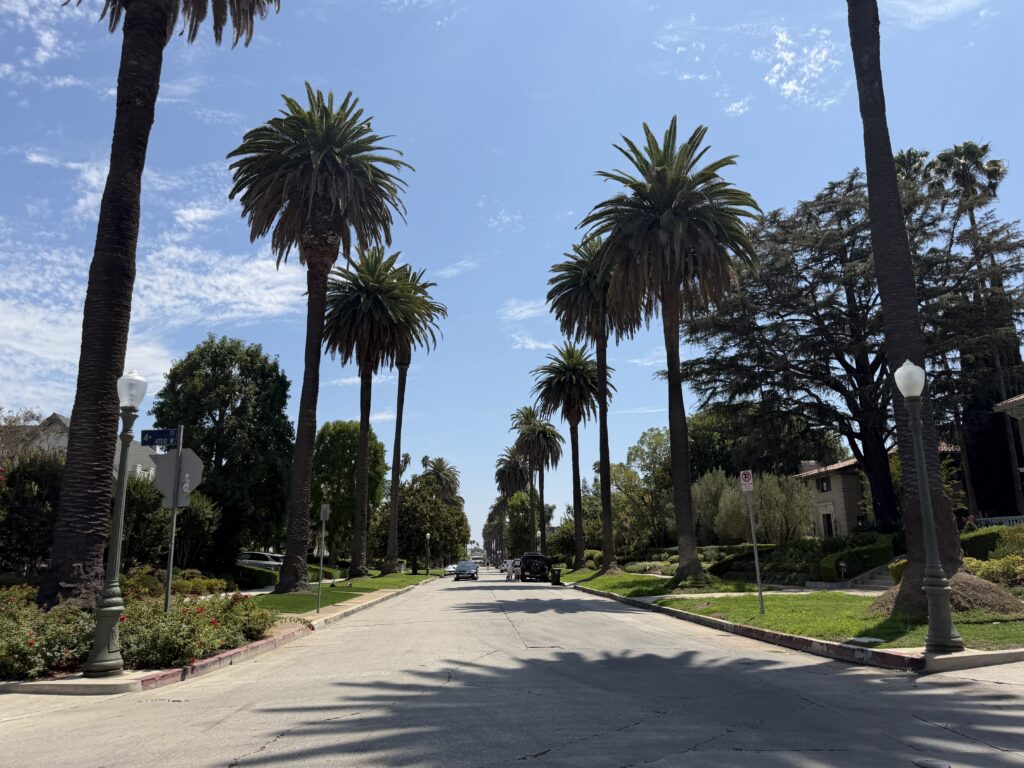
Larchmont is a rare thing in Los Angeles: a 1921 shopping street that still works at 1921 scale. Julius La Bonte began building one-story storefronts, some with offices above, along Larchmont Boulevard that year, timed to the Yellow Car streetcar running down the center of the street and to the affluent tracts filling in around it — Windsor Square, subdivided in 1911, and Hancock Park in the early 1920s. A movie theater followed on the west side of the street. The trolley tracks and telephone poles came out in the 1950s, and the boulevard has avoided major upheaval in the decades since.
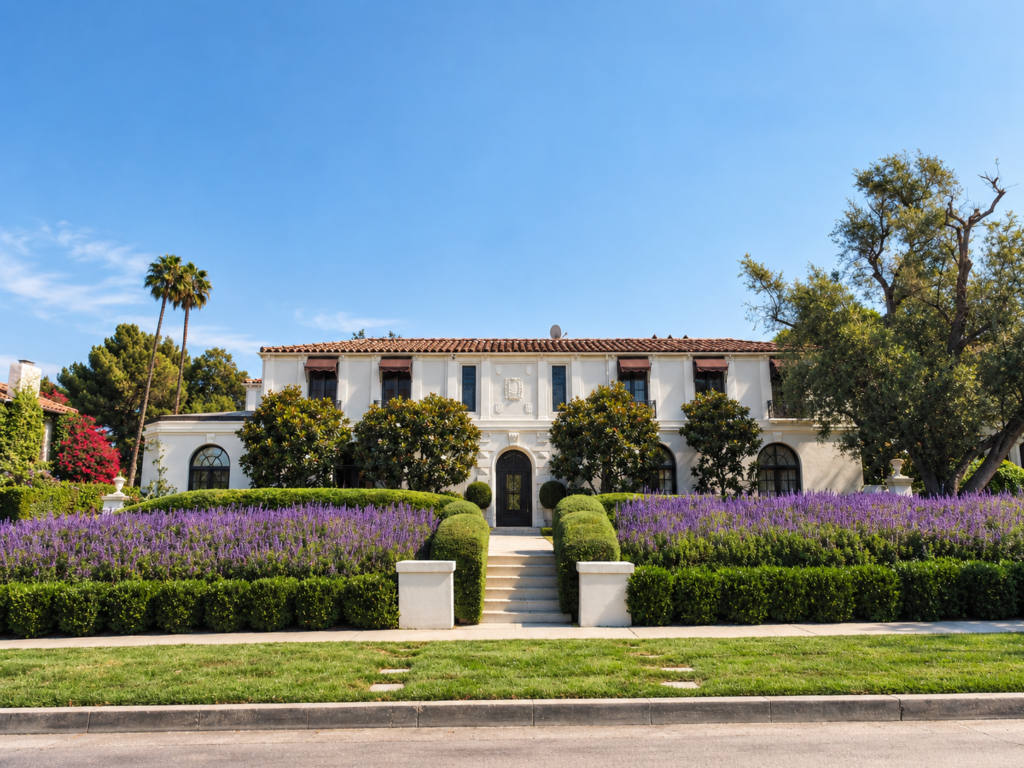
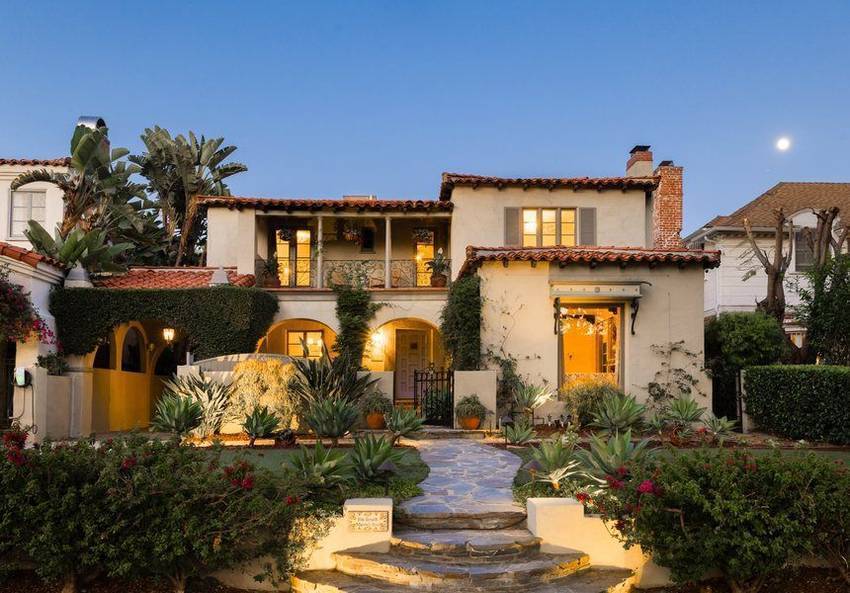
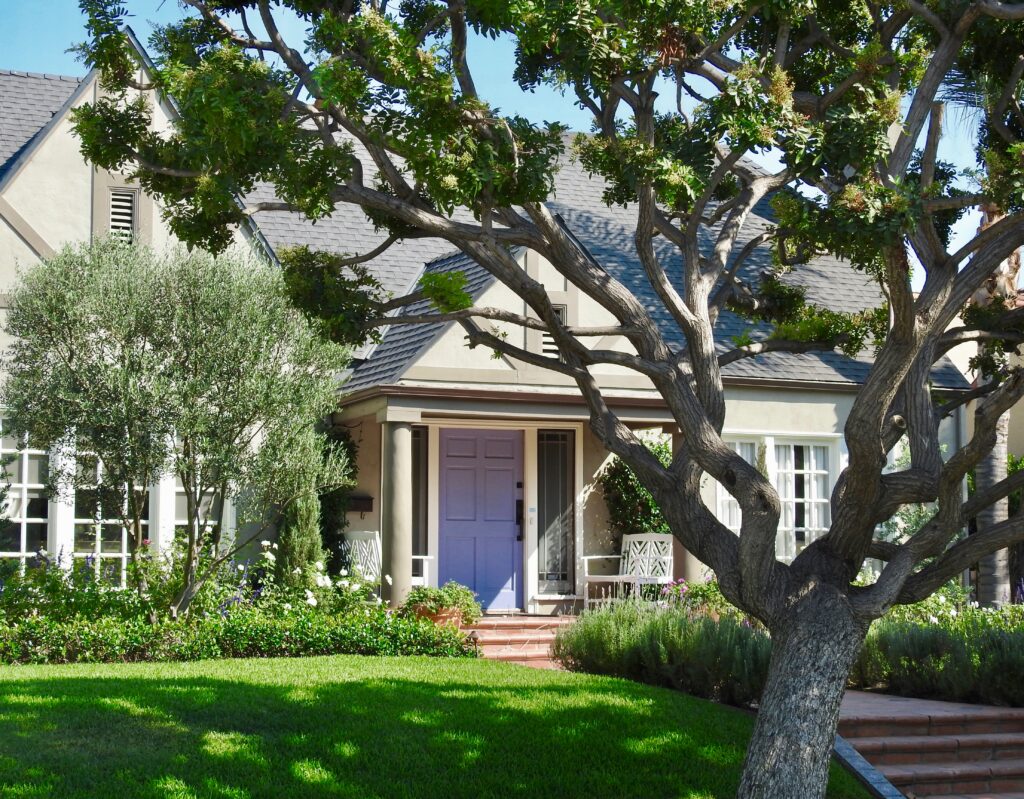
The residential blocks sold as Larchmont Village sit mostly north of Beverly Boulevard: 1920s Spanish Colonial Revival, Tudor, and Craftsman-influenced bungalows on modest lots, tighter in scale than Windsor Square two blocks south. Duplexes and small fourplexes cluster toward Melrose Avenue, and low apartment buildings line the boulevard's shoulders. South of Beverly, the first two blocks of the boulevard and their side streets join the grander Windsor Square pattern of wide lawns and Period Revival houses. Condominium and co-op options concentrate on the Rossmore corridor just west, where 1920s apartment towers stand alongside postwar buildings.
Regulation changes at Beverly Boulevard. South of it, houses fall inside the Windsor Square HPOZ, adopted in 2004, which routes visible exterior work through preservation review. North of it there is no HPOZ; those blocks were instead swept into the city's teardown fights of the 2010s, and published accounts differ on which interim controls and residential floor-area rules applied when — confirm current limits for a specific lot with City Planning before designing an addition. The commercial strip carries its own zoning conditions and a business improvement district that has worked to keep signage and storefront scale in character.
The texture is the point. A farmers market sets up on Sundays, and legacy businesses — a hardware store, bookshops, family-run restaurants — share sidewalks with newer names. The street functions as common ground for Windsor Square, Hancock Park, and the village blocks alike. Paramount Pictures' Melrose gate is a few blocks northeast, and the Wilshire Country Club spreads west of Rossmore. The retail core runs south from Beverly Boulevard to First Street, with a smaller cluster up near Melrose. It is a stroller-and-dog neighborhood where shopkeepers learn customers' names, which is uncommon at this level of centrality.
The verification list is short but consequential. Establish whether the parcel sits inside the Windsor Square HPOZ — the boundary is Beverly Boulevard, and it changes what a remodel costs in time and design review. Confirm which elementary the address draws, since Van Ness Avenue and Third Street both serve pieces of the area and the split is parcel-specific. Check zoning on the duplex blocks near Melrose, where R2 lots carry different rebuild rights, and rent-stabilization status on any income unit. Then walk the block at school drop-off and on a market Sunday; the boulevard's popularity is real, and so is its parking.
Life Here
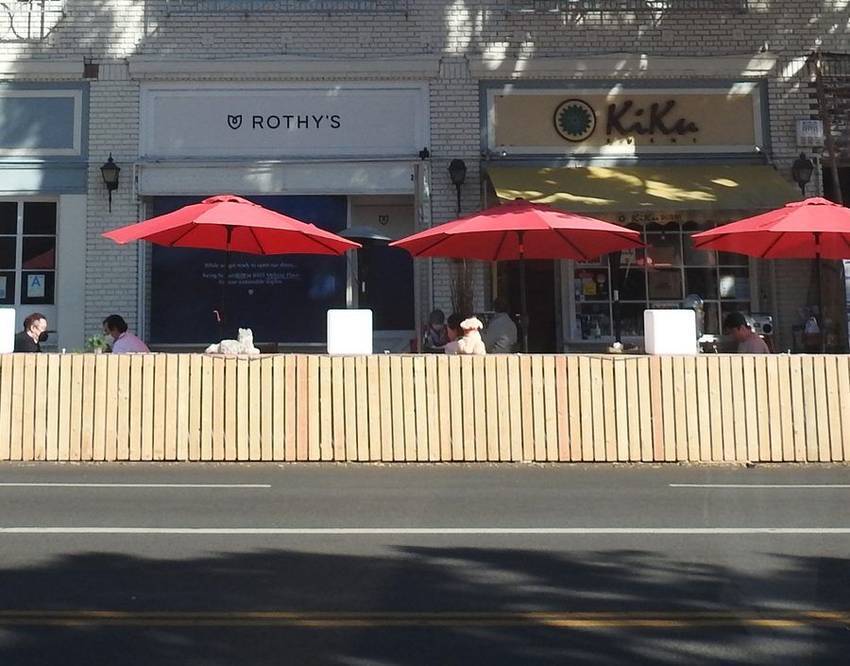
The farmers market, the bakery line, the neighbors you actually know. Main street living, for real.
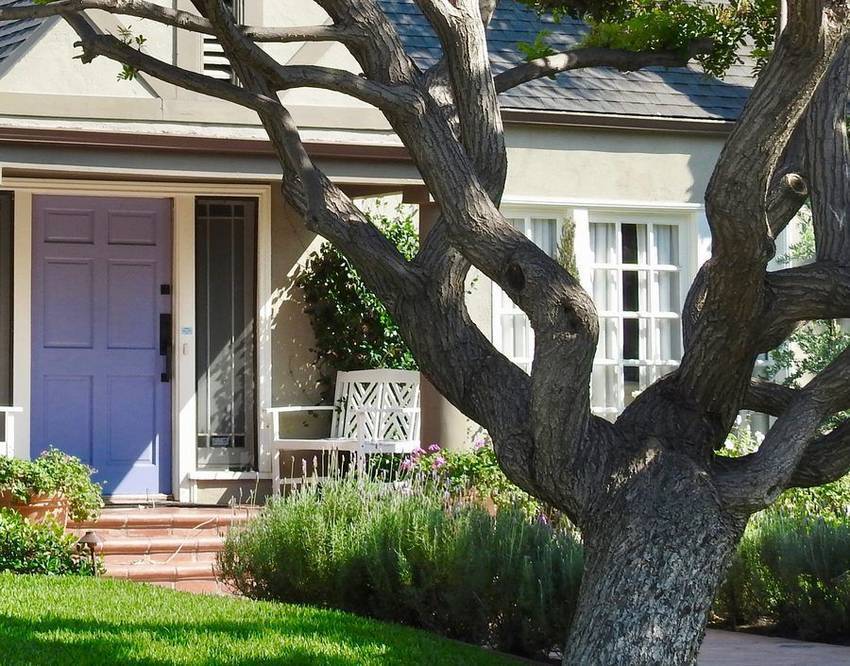
Porches, gardens and 1920s character, at the historic core’s friendliest price point.
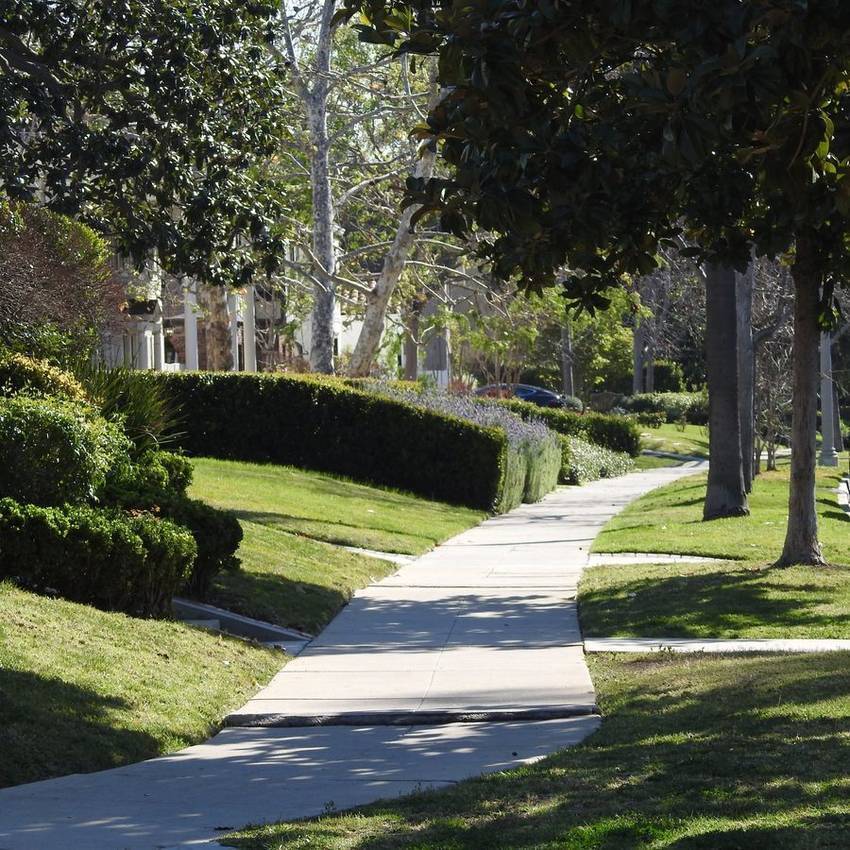
Windsor Square and Hancock Park are a street away when the family outgrows the bungalow.
Education
Assignment runs with the parcel, and Beverly Boulevard is both a regulatory and, in places, an attendance dividing line. Verify any address with LAUSD's Resident School Identifier and confirm program details with each school.
Common Questions
Further Reading
Work With Ben
Bungalows here draw crowds on the first weekend. Tell Ben what you are looking for and skip the line, including off market.
Start the ConversationBen will reach out shortly to set up your tour.