
Los Angeles built most of its great residential streets in a single generation. Between the early 1920s and the start of the war, developers and architects filled the city with Spanish Colonial Revivals, Tudors, Monterey Colonials, Craftsman bungalows and American Colonials, and the best of them have survived a century of ownership largely intact. When one of these homes comes to market with its original details, buyers do not treat it as just another listing. They treat it as a find.
That is exactly why selling one takes a different approach. A character home is not priced, prepared or marketed the way a renovated spec house is. Done well, the sale captures a premium that ordinary comps will never show you. Done carelessly, the premium evaporates, because the things that made the house special were painted over, ripped out or simply never mentioned.
Know What You Are Actually Selling
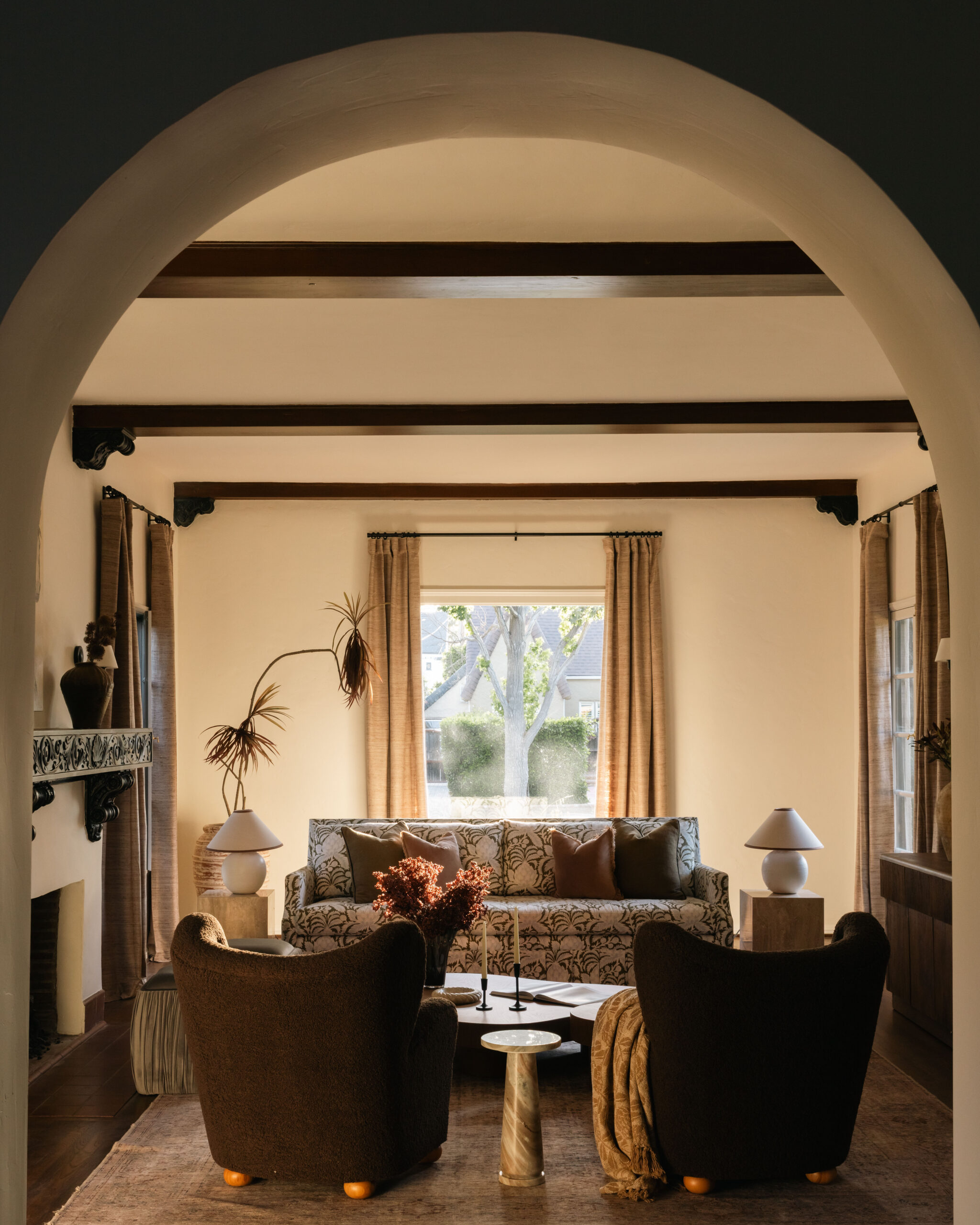
Before anything goes on the market, document the house. Who designed it, who built it, and when. Which details are original: the mahogany doors, the steel casement windows, the Batchelder tile fireplace, the hand stenciled ceiling in the entry. Buyers of character homes pay for provenance, and provenance has to be proven, not implied.
If the architect is known, say so everywhere. A house by a recognized name carries real weight in this market, and a documented attribution can change the buyer pool entirely. The work of Paul R. Williams, for example, trades on his name as much as on square footage. Even without a famous architect, a clean chain of history, original plans, old photographs and permit records give the listing a story that renovated housing cannot match.
Pricing a Home the Comps Cannot Explain
The standard appraisal approach, price per square foot against recent nearby sales, breaks down with character homes. A 1926 Spanish with original detail and a 2019 rebuild on the same street are different products for different buyers, and averaging them tells you nothing.
The honest comp set is other character homes in comparable condition, even if that means looking across neighborhoods rather than across the street. A preserved Tudor in Hancock Park tells you more about a preserved Tudor in Windsor Square than any flipped house next door does. It also helps to understand who will bid. Some buyers want the house precisely as it stands and will pay for condition and originality. Others are pricing the lot and the shell. Your asking price should be set for the first group while staying defensible to the second, because the land value puts a floor under the deal either way.
Prepare the House, Do Not Strip It
The most expensive mistake a seller of a character home can make is renovating the character out of it before listing. White paint over old growth wood paneling, a gray floor stain, a builder grade kitchen dropped into a 1928 Spanish: these choices cost real money and routinely subtract value, because the buyer who wanted original detail is gone and the buyer who wanted new construction still will not want this house.
Preparation should look like restoration, not renovation. Refinish the floors in a period appropriate tone. Repair and rescreen the casement windows rather than replacing them. Rewire, replumb and service what is behind the walls, because nothing reassures a buyer of a hundred year old house like evidence that the unglamorous systems have been handled. Commission inspections before listing, including sewer and foundation, and present the reports openly. Old houses invite fear of the unknown. Removing the unknown is the cheapest upgrade available.
Paperwork That Adds Value: Mills Act and HPOZ
Two pieces of Los Angeles paperwork matter enormously here. A Mills Act contract, available to designated historic properties, reduces the property tax bill and transfers to the new owner with the sale. For the right house it is a genuine selling point with a dollar value attached, and it belongs in the first paragraph of the listing, not the fine print. We have covered the Mills Act in depth here on The Journal.
Historic Preservation Overlay Zones work differently. An HPOZ protects a neighborhood’s exterior character by reviewing visible changes, which reassures buyers that the street they are paying for will still look like that street in twenty years. It also means the buyer inherits review requirements, so disclose the overlay clearly and frame it accurately. In practice, HPOZ protection is a large part of why neighborhoods like Windsor Square and Miracle Mile‘s residential blocks have held their character and their values so well.
Marketing to the Buyer Who Gets It
Character homes sell on emotion backed by fact, and the marketing should deliver both. Photograph in the light the house was designed for, late afternoon sun through west facing casements, morning light in a tiled breakfast room. Write listing copy that names the style, the year, the architect if known, and the specific original features, because those are the exact phrases serious buyers search.
Then put the listing in front of the audiences that already love this housing stock. The buyer for a preserved Spanish in Beverly Grove is often also watching Los Feliz, Laughlin Park and the historic blocks of Miracle Mile. These neighborhoods share an architecture and a sensibility, and a listing that speaks that language travels across all of them. Quiet outreach matters too. Many of the strongest character home buyers are repeat players, and the agents who represent them know a true original when they see one.
The Finish Line
Expect the escrow to have its own personality. Appraisers may struggle with the premium, so arm them with your comp set and your documentation. Inspections will find century old quirks, which is why your reports from before listing set the tone. A buyer who fell in love with the house on paper and was never surprised afterward is a buyer who closes.
Selling a character home in Los Angeles rewards patience, preparation and a sense of what the house actually is. I work with these homes across the city, from Hancock Park to the hills, and if you are weighing a sale, I am glad to walk the house with you and tell you what the market will see. You can read more about how I approach representing sellers across Los Angeles.
