
A house in Beverly Hills is one of the most legible assets in American real estate. The name does half the marketing on its own, the buyer pool is national and international, and demand has survived every cycle the city has seen. None of that means a sale runs itself. The sellers who do best here understand something the name alone does not tell you: the market does not read Beverly Hills as one place. It reads it as four, and it prices, shops and negotiates each one differently.
The city sells in quarters
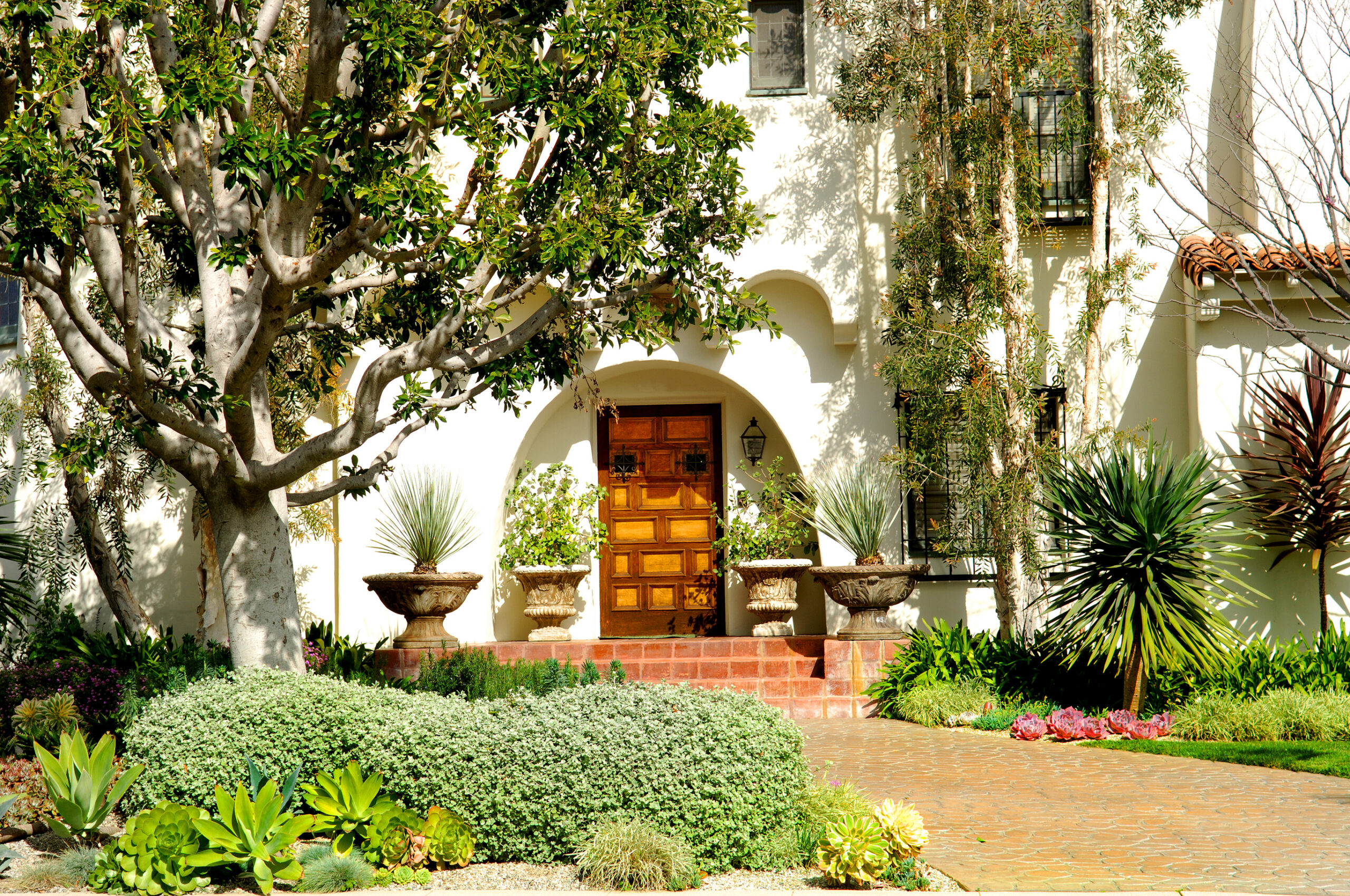
Start with where your house actually sits. The Flats, the grid of wide streets between Santa Monica Boulevard and Sunset, is the most liquid single family market in the city, where lot width and street name carry as much weight as the house itself. North of Sunset, the estate section climbing toward the hills, trades on acreage, gates and privacy, with a thinner but deeper pocketed buyer pool that moves on its own schedule. Trousdale Estates is its own economy entirely: a midcentury view colony where single level living and the jetliner panorama set the price, and where buyers arrive already knowing exactly what they want. And south of Wilshire, where the city’s single family market begins, draws buyers who prize the school district and the address, which makes them attentive, motivated and discerning about condition. The Post Office, the hillside territory beyond the city line that shares the 90210 zip code, is a separate conversation with its own tradeoffs, and buyers increasingly know the difference.
Each quarter has its own comparable sales, its own buyer psychology and its own rhythm. A seller who prices a Trousdale house off a Flats sale, or the reverse, has already made the most expensive mistake available.
Price to the street, not the city
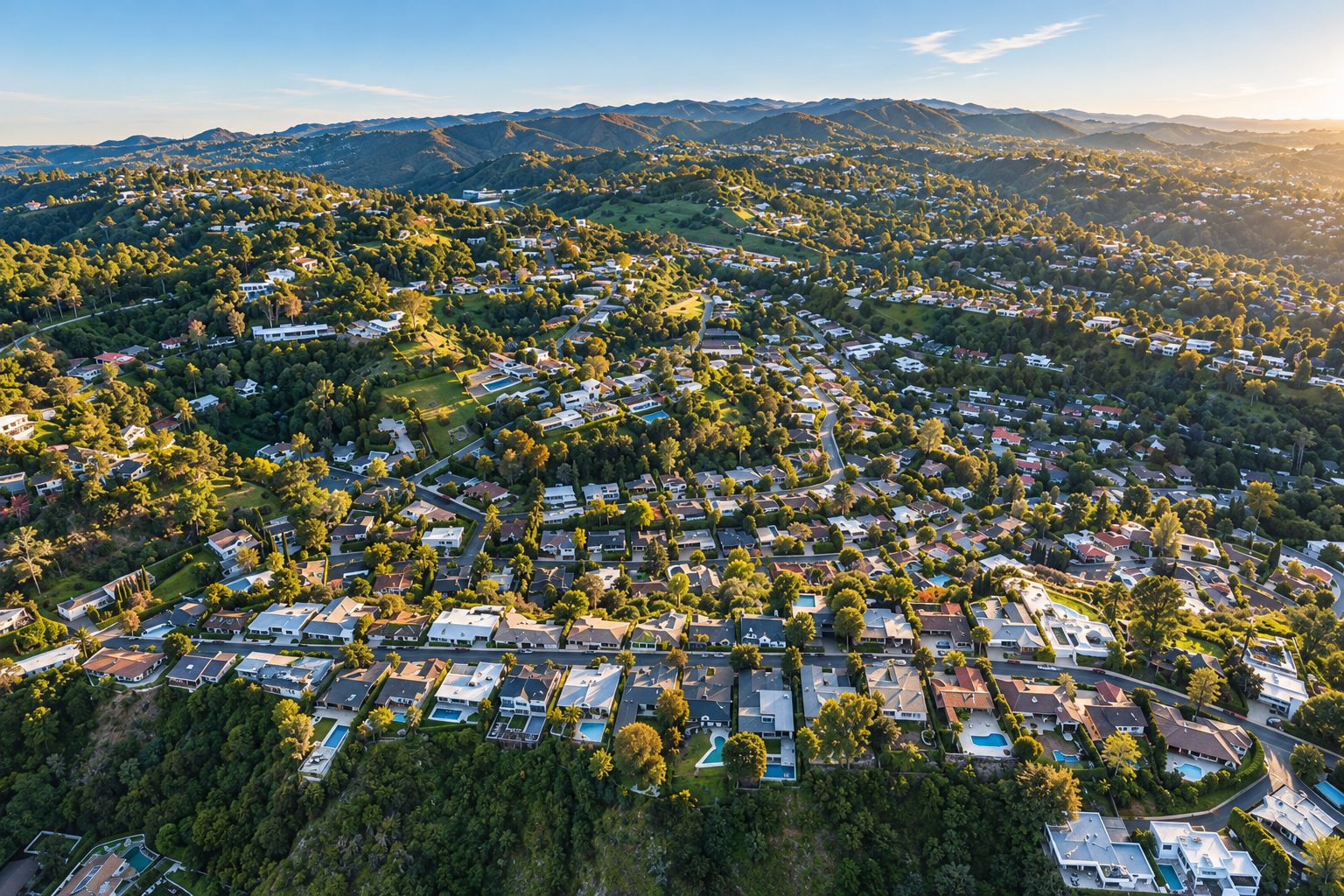
Averages are not always useful. What matters is the recent history of houses like yours, on streets like yours, in the condition yours will show in, and that set is usually small enough to study one sale at a time. In the Flats, two houses a block apart can justify meaningfully different numbers because one street has long commanded a premium and the other never has. North of Sunset, the comparable set may be three sales in eighteen months, which puts enormous weight on reading each one correctly: what was land value, what was the house, what was the story behind the price. Getting this right is the whole game, because the first two weeks of exposure determine how the market files your listing. A correctly priced house in Beverly Hills creates competition. An aspirationally priced one creates a record of sitting, and that record follows the property. The approach that works is laid out in our guide to pricing and valuation, and it matters more here than almost anywhere else because the numbers are large enough that small percentage errors cost real money.

The tax edge most sellers undersell
Beverly Hills is its own city, and that fact is worth money at closing. The City of Los Angeles transfer taxes, including the Measure ULA tax on sales above its threshold, stop at the city line. A buyer comparing your house with a similar one in the hills above the Sunset Strip or in Bel Air is comparing two very different cost structures on resale, and a seller’s agent should make sure that math is in front of every serious buyer. It is one of the quiet structural advantages of owning inside the city limits, along with the school district and the city’s own services, and it belongs in the marketing of any significant sale rather than in the fine print.
When a quiet sale serves you, and when it does not
Beverly Hills has a deep culture of discretion. Plenty of significant houses change hands here without a sign, a public listing or a single open house, and for some sellers that is the right call: a divorce, an estate, a public profile, or simply a preference for privacy. But discretion has a price, and the price is exposure. The widest possible buyer pool is still the most reliable path to the highest number, and a quiet sale narrows that pool by design. The honest way to decide is to name what you are protecting, weigh it against what full exposure is likely to add, and choose deliberately rather than by default. We have written about how these sales actually work in our guide to selling quietly, including the middle paths between a whisper and a full launch.
Presentation is not optional at this level
Buyers at Beverly Hills prices are comparing your house against new construction, against recently renovated competition, and against their own ability to build. That does not mean every seller should renovate before listing. It means every seller should make a clear eyed decision about which category their house competes in: finished and polished, solid but dated, or land value. Each category has buyers, and each sells, but a house presented as one category and priced as another goes nowhere. Lighting, landscaping, paint and editing the furniture are almost always worth doing. Larger projects deserve a real analysis of cost against likely return, not a reflex. Our guide to preparing a home for sale walks through where that line tends to fall.
The sale is a campaign, not an event
The best Beverly Hills sales are planned backward from the closing. That means settling the pricing strategy, the presentation budget, the photography, the launch timing and the negotiation posture before the first buyer ever walks in, so that every decision afterward is executed rather than improvised. It also means knowing in advance how you will respond to the early offer, the low anchor and the buyer who circles for a month, because all three will likely appear. Ben Kruger runs that campaign for sellers across Beverly Hills and the surrounding markets, from the first valuation conversation to the wire, and is glad to walk through what your house would command in today’s market, quietly or in public, before you decide anything at all.
