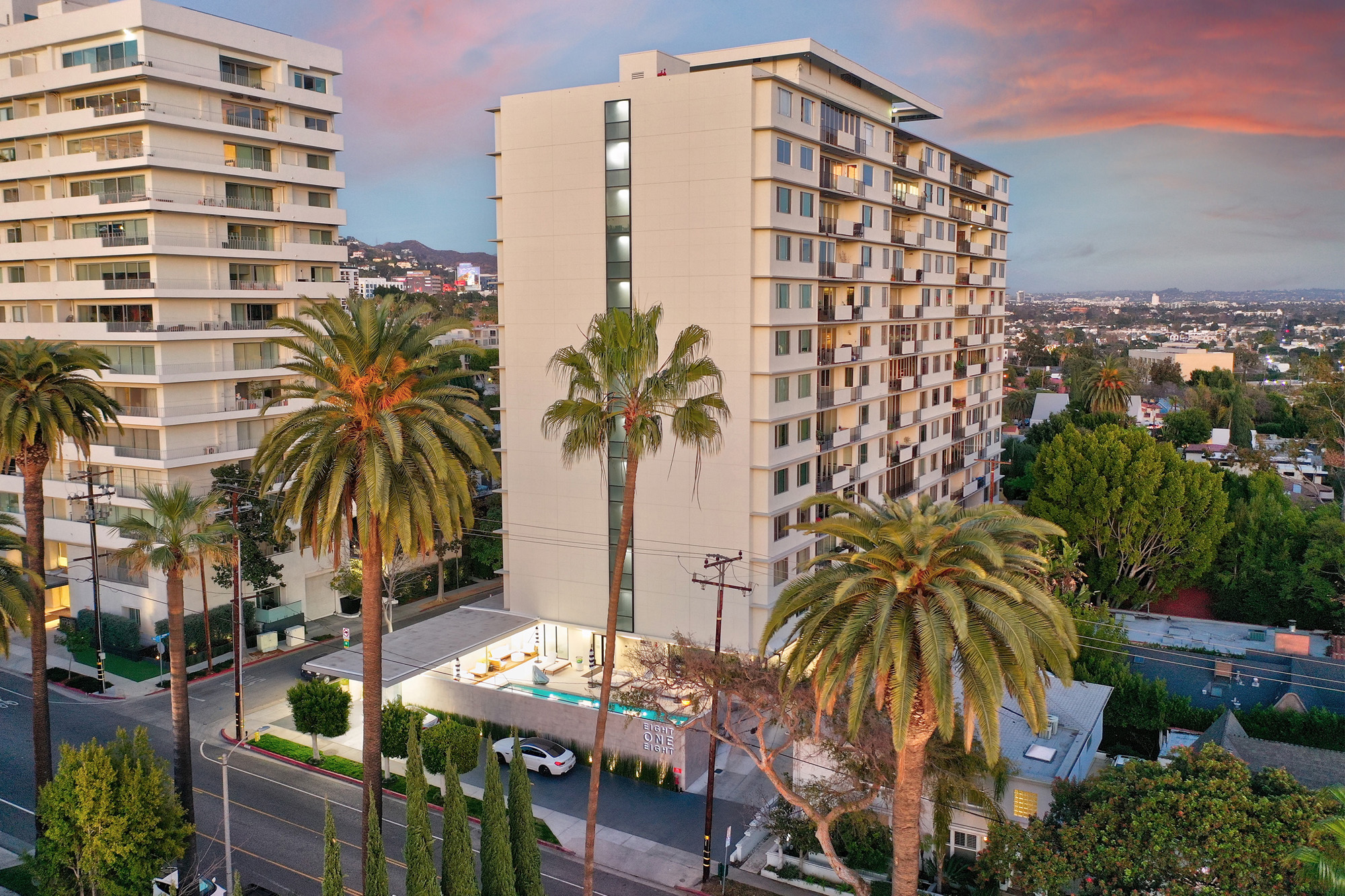
West Hollywood covers less than two square miles, and no part of Los Angeles packs more interesting condominium buildings into so little ground. The city sits wedged between Beverly Hills and Hollywood, below the hills and above the flats, and nearly everything in it can be walked to. That geography is the whole pitch. Buyers who want a house and a garden look elsewhere. Buyers who want a building with a story, a view that reaches the ocean on a clear day, and dinner within three blocks keep ending up here.
The market splits into a few distinct families of buildings, and knowing which family you are shopping in matters more than any single listing. Here is how I would map it.
Start with the Doheny corridor
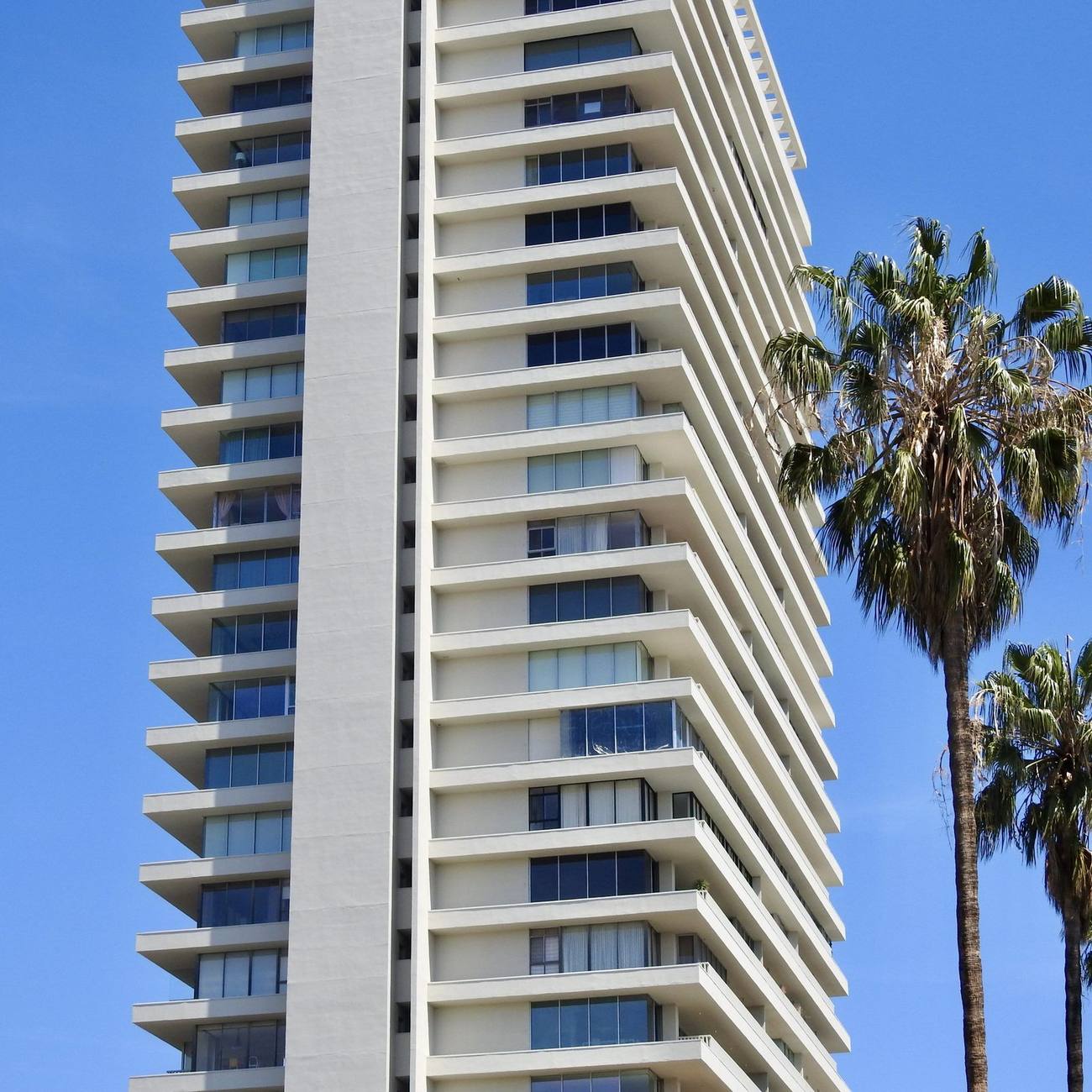
The western edge of West Hollywood, where Doheny Road and Alta Loma Road climb toward the hills, holds the most famous addresses in the city. Sierra Towers is the anchor. Richard Dorman’s 1965 tower is the building people picture when they picture a Los Angeles high rise, a slim midcentury slab with glass walls, open balconies and a resident roster that has read like a cast list for sixty years. Units trade from the low millions for smaller homes to well past twenty million for combined units on the upper floors, which makes it one of the few buildings in the city where a condo can out price the houses around it.
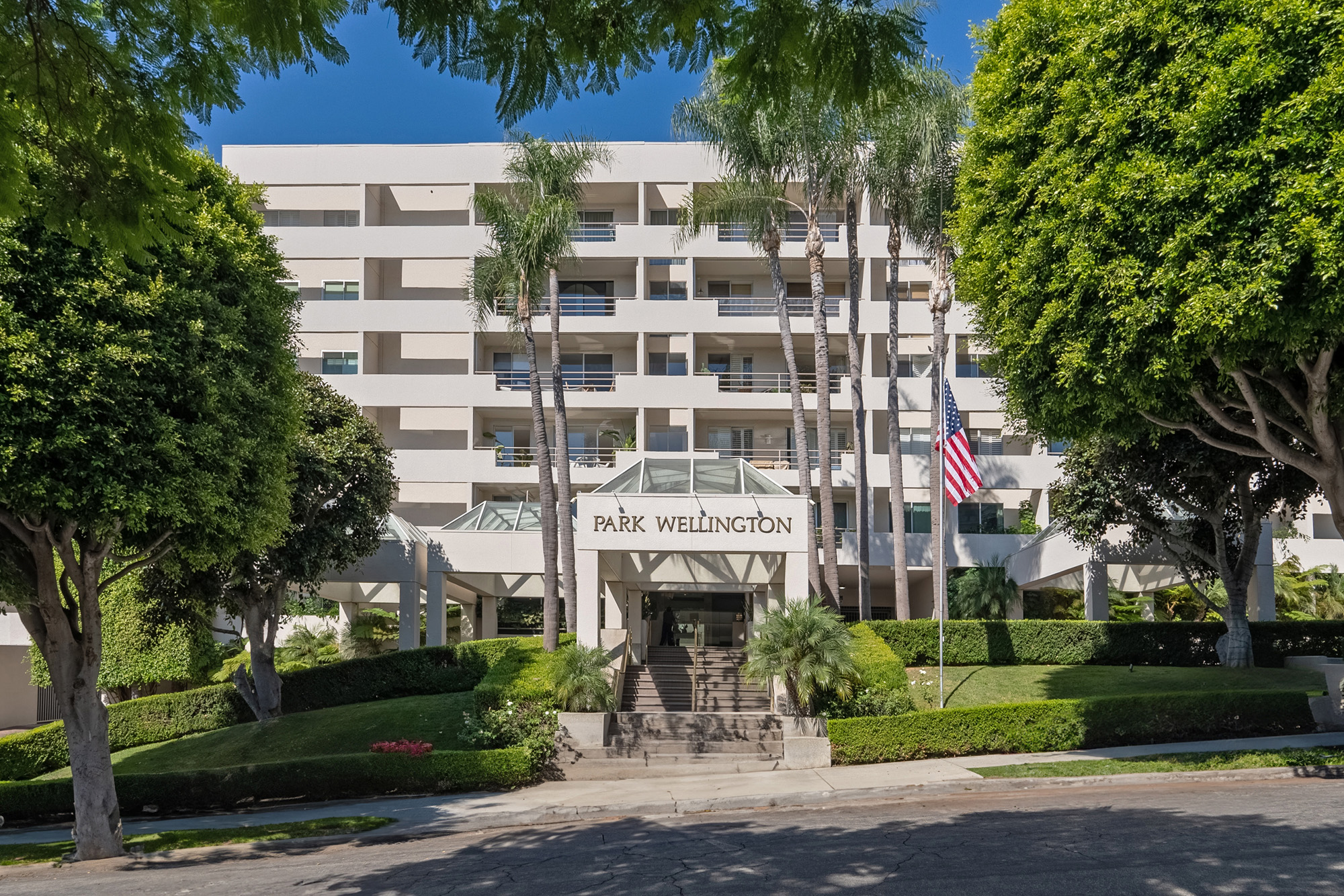
Sierra Towers does not stand alone. Empire West on Alta Loma offers a similar vintage and similar views at a friendlier number, and its rooftop deck is one of the best perches in the city. Shoreham Towers hangs above the Sunset Strip with the same panoramic exposure. Doheny Plaza, lower and leafier, appeals to buyers who want the corridor without the elevator ride. And Park Wellington, a garden complex rather than a tower, gives buyers pools, tennis and gated grounds at entry prices the towers cannot touch. Directly up the hill sit the Bird Streets, which is worth knowing because the two markets trade buyers constantly. Sellers coming down from a view house very often land on this exact corridor.
The new guard along Sunset and Beverly
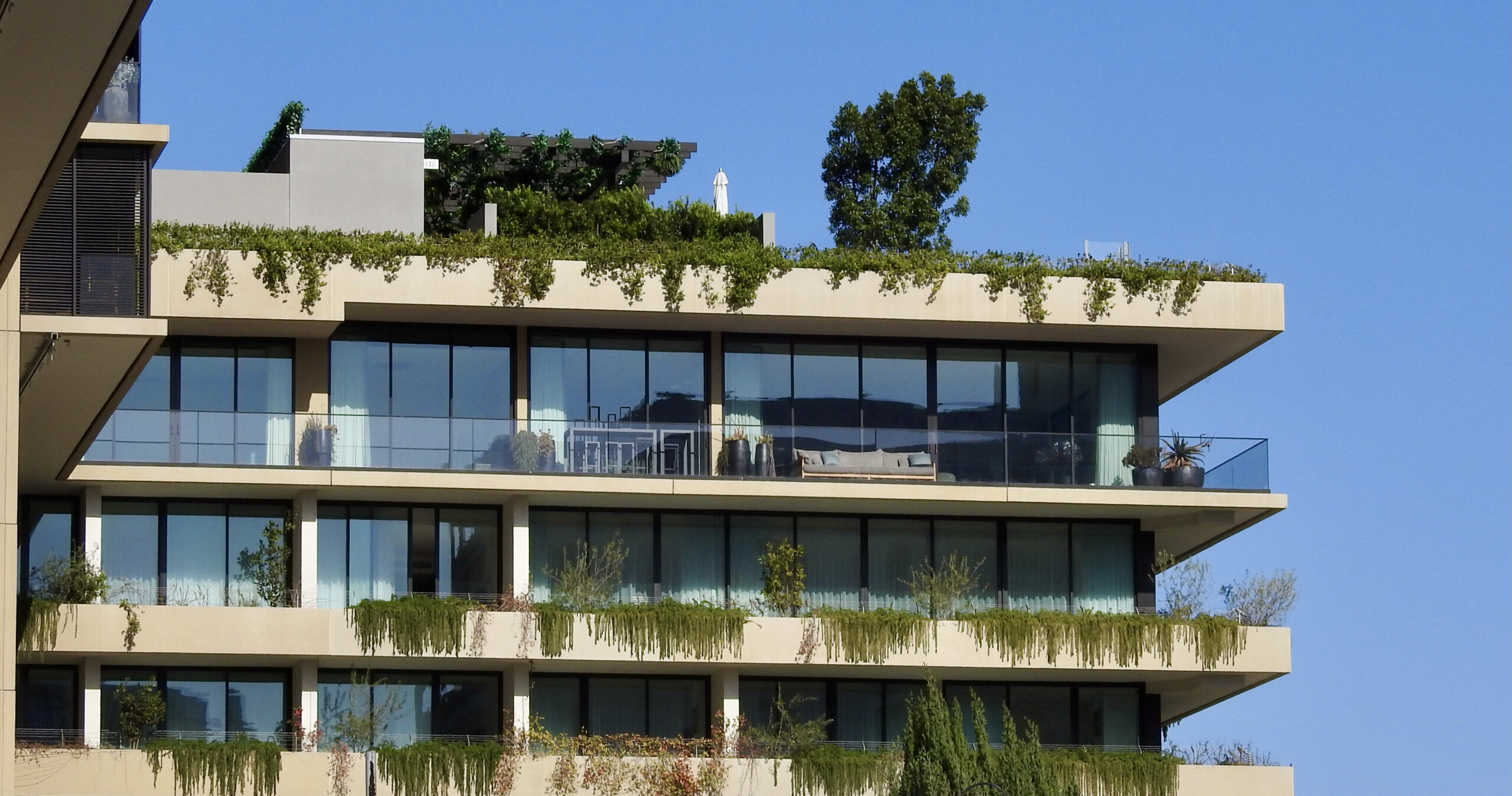
For decades West Hollywood built almost nothing, which is why the recent wave of construction changed the market so sharply. Pendry Residences West Hollywood arrived on the Strip in 2021, placing private homes above the Pendry hotel with the hotel’s restaurants, spa and services a floor away. A short walk west, the residences at the West Hollywood EDITION on Sunset near Doheny brought John Pawson’s spare, gallery like interiors to a handful of homes above the hotel. Both buildings sell a specific proposition: hotel living as a permanent address, with pricing to match.
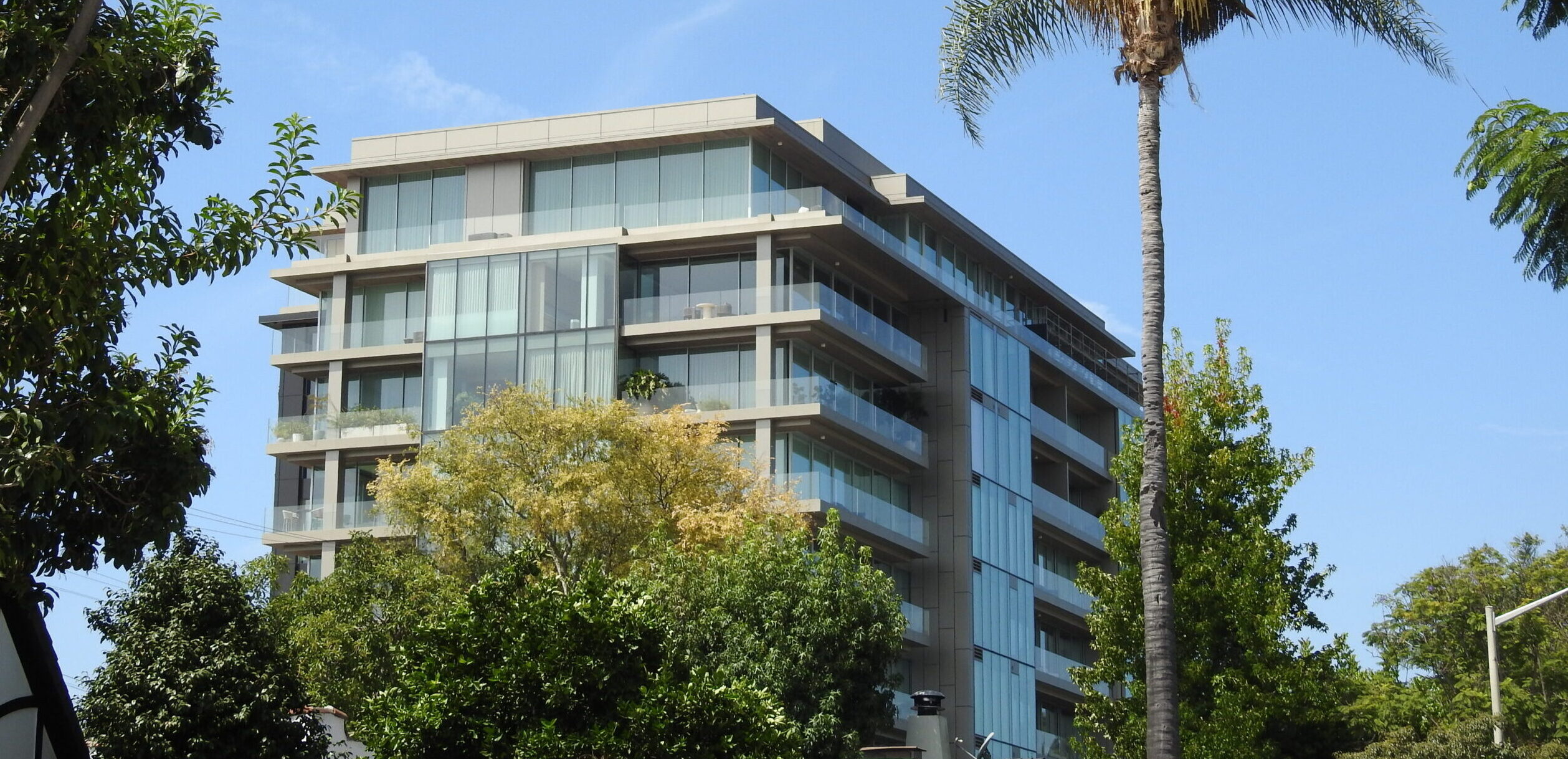
The most architecturally ambitious of the group is 8899 Beverly, where Olson Kundig transformed a 1960s office building into glass walled residences with some of the deepest terraces in the city, plus a set of villas along Rosewood at its base. It sits at the southern edge of West Hollywood, steps from the design showrooms of Melrose and the restaurant rows of Beverly Grove, and it proved that buyers will pay Westside penthouse prices in this zip code when the product is right. Boutique projects like the Harland on Croft followed the same logic at a smaller scale, trading tower views for large, house like floor plans aimed at buyers leaving single family life but not ready for a lobby.
The 1930s originals
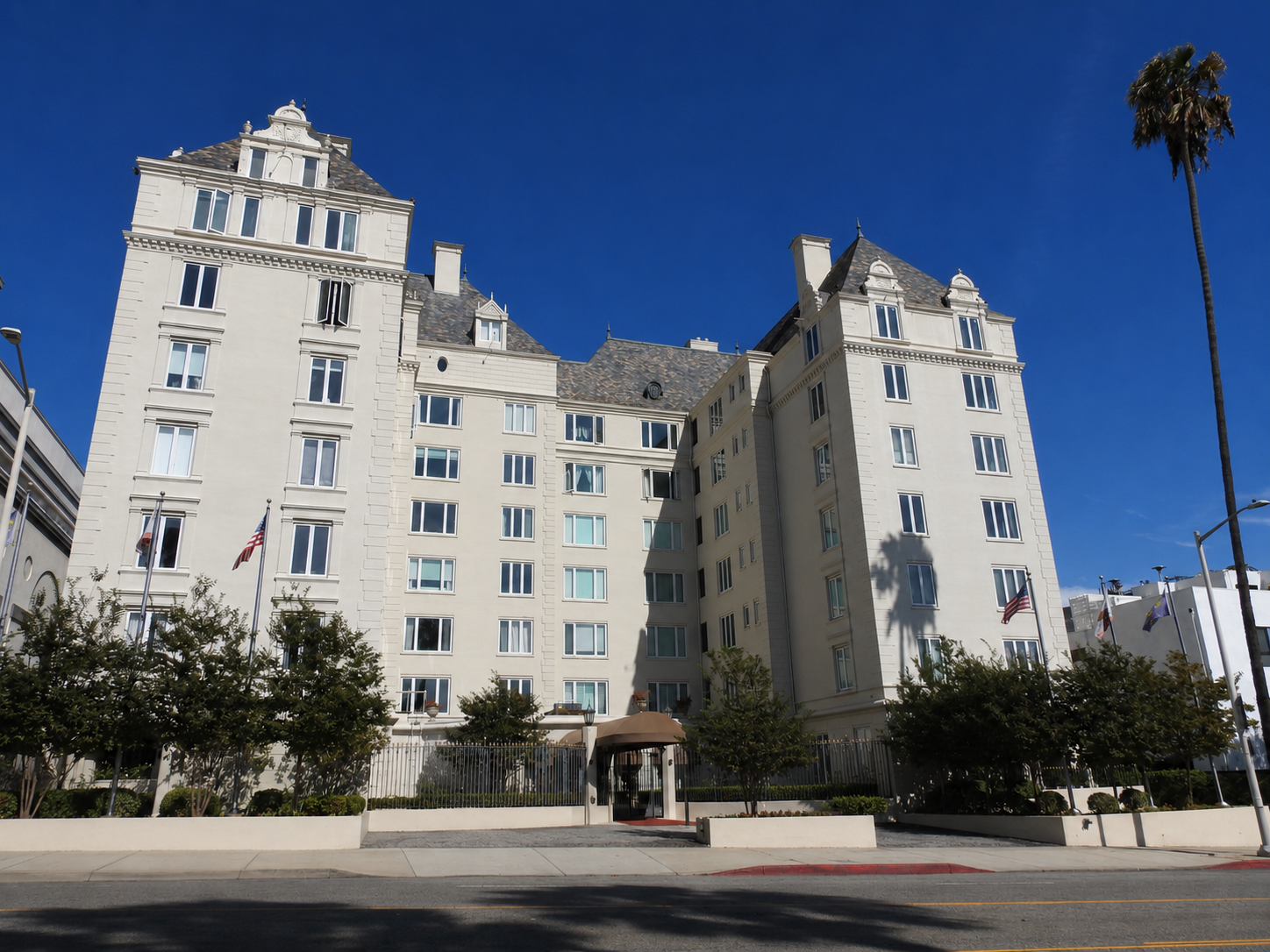
Before the towers, West Hollywood built romance. The blocks along Havenhurst Drive and Crescent Heights, just below Sunset, keep a cluster of buildings from the city’s first golden age. Colonial House, from 1930, remains one of the most coveted addresses in Los Angeles for buyers who want character, with its storied past and apartment proportions that modern construction rarely matches. Nearby, Leland Bryant’s Granville Towers delivers French Normandy drama, turrets and all, a few steps from the Chateau Marmont. These buildings ask for a different kind of buyer. Systems are older, boards are protective, and renovations demand patience. In exchange you get rooms with a provenance no developer can manufacture.
The quiet values
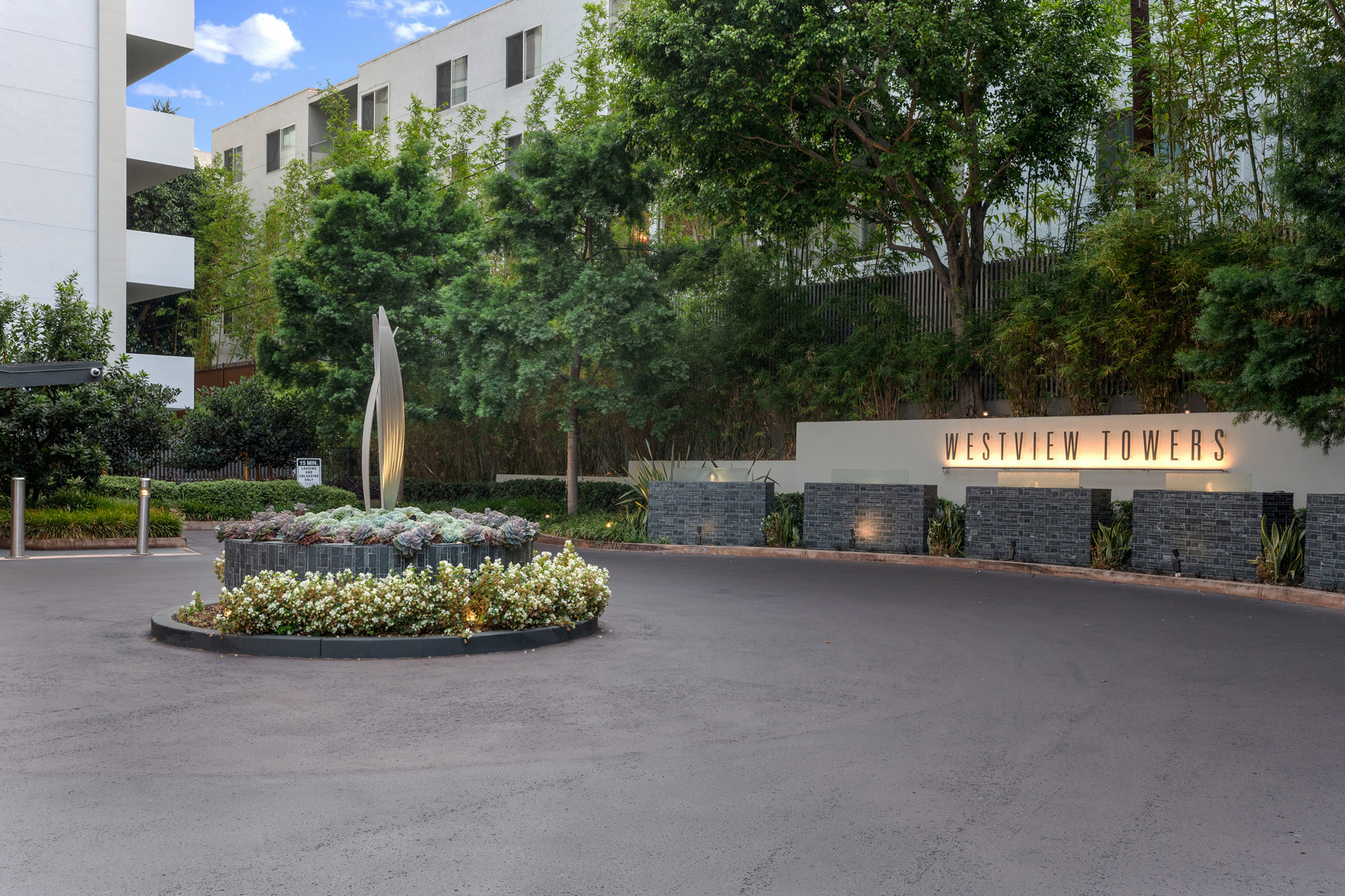
Between the trophies sits the real volume of the market, and some of its best value. Westview Towers on La Cienega offers true high rise living, views included, at prices that routinely undercut the Doheny corridor by a wide margin. The mid rise buildings along Kings Road, Larrabee and the streets south of Santa Monica Boulevard hold generously sized condos from the 1960s through the 1980s that renovate beautifully. This is where first time luxury buyers, downsizers and pied a terre shoppers should concentrate, because the lifestyle gap between these blocks and the famous ones is far smaller than the price gap.
Two diligence points matter everywhere in this city. First, monthly dues vary enormously from building to building, and a low price with heavy dues can cost more over a decade than the reverse. Second, a handful of Los Angeles buildings sit on leased rather than owned land, which changes both financing and long term value, so the land question should be asked early on any building you fall for.
Choosing your side of the line
The sensible way to shop West Hollywood is against its neighbors. Beverly Hills offers newer amenity buildings and a quieter street rhythm at a premium. The Wilshire Corridor offers more square footage per dollar in a far less walkable setting. Santa Monica trades the nightlife for the ocean. West Hollywood’s argument is energy, architecture and the shortest walk to dinner in Los Angeles, and for a certain buyer that argument ends the search. Our neighborhoods guide maps how all of these markets relate if you are still deciding.
If a building in West Hollywood is on your list, I am happy to talk through how its homes have been trading, what its dues cover and which floors and lines are worth waiting for. I cover every building in the city, from the 1930s originals to the newest residences on the Strip, and the right one depends entirely on how you want to live. Reach out and we will find it.
