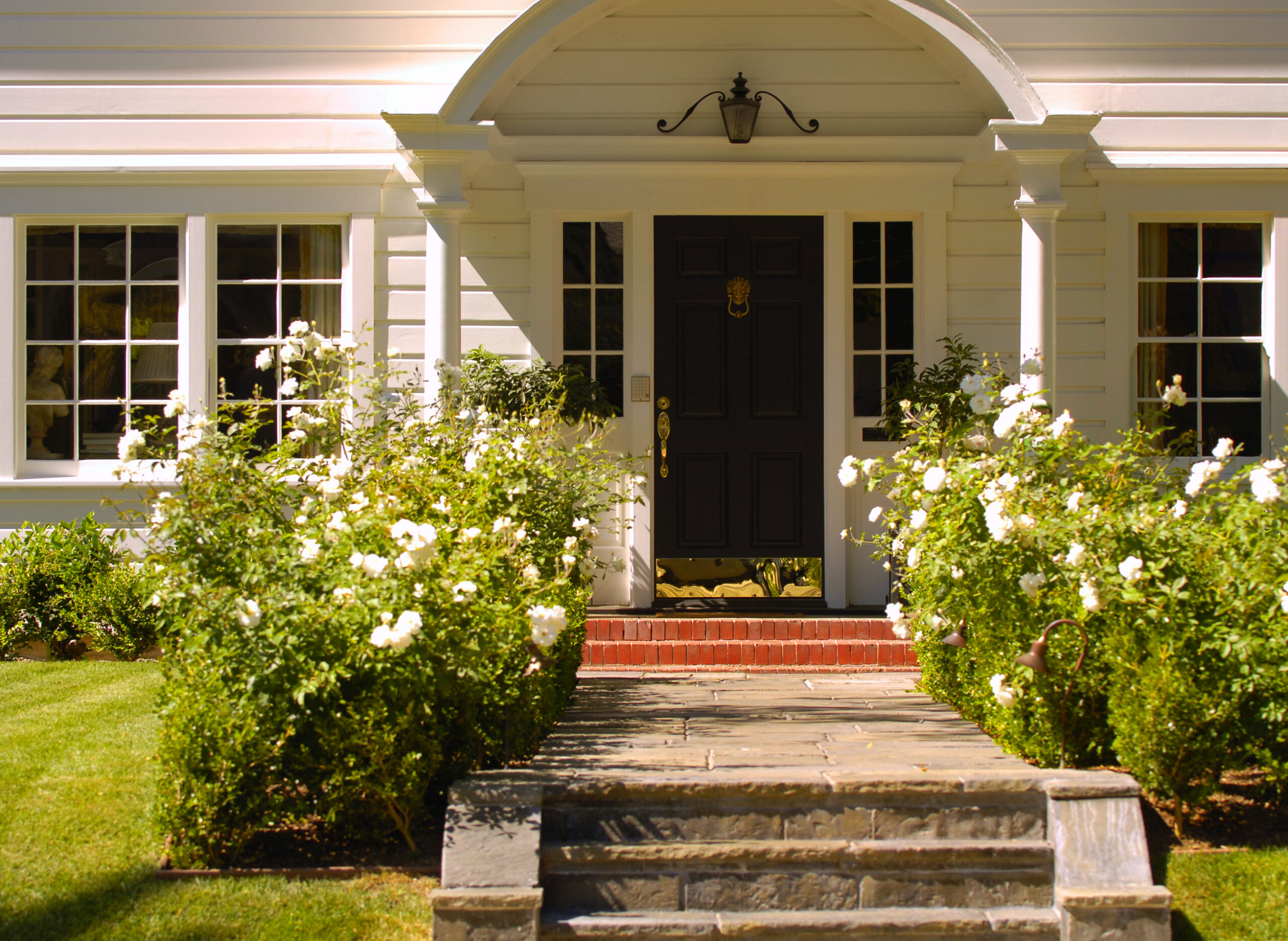
Los Angeles is not one market. It is forty. The city runs from the sand at Point Dume to the palm lined blocks of Hancock Park, and every few miles the architecture changes, the pace changes, and the price of a great house changes with them. Buyers arriving from New York, London, or San Francisco often start with a list of famous names. The better starting point is a list of questions about how you actually want to live.
Start with your life, not the map
Before touring a single property, get honest about a few things. Where will you drive most mornings, and how much of your week are you willing to spend on Sunset or the 405? Do you want to walk to dinner, or do you want a gate and a long driveway? Is your ideal evening a table at a restaurant you can stroll to, or forty people around your own pool? Do you want a view, a garden, or a lock and leave residence with someone at the door?
Every neighborhood in this city is an answer to those questions. Almost none of them answer all of them at once. That tradeoff, more than budget, is what separates a good purchase from a great one.
The coast
If the ocean is the point, the conversation starts in Malibu, where life ranges from the tight knit beachfront of the Colony to the bluff top estates of Point Dume, and continues through Pacific Palisades and into Santa Monica. The coast trades convenience for atmosphere. You will drive further for almost everything, and most owners decide within a month that they no longer care.
Santa Monica deserves special mention because it offers something rare in coastal Los Angeles: genuine walkability. Ocean Avenue and the blocks around Montana Avenue support a real condominium market, with buildings near the beach that suit buyers who want the coast without the maintenance of a house.
The Westside classics
Beverly Hills remains the reference point for a reason. The flats offer wide streets, large lots, and proximity to everything, while Beverly Hills Post Office, up Benedict and Coldwater canyons, delivers more land and more privacy under the same famous name, with a different city providing services. Understanding that distinction is one of the first tests of whether an agent knows this market.
Bel Air and Holmby Hills are quieter and more guarded, estates behind hedges rather than houses on display. Brentwood, further west, is the family answer: excellent schools, a real village of restaurants along San Vicente, and a canyon system that hides some of the best contemporary architecture in the city.
The hills
The Hollywood Hills are their own universe, and the view is the currency. Above the Sunset Strip, the Bird Streets hold some of the most photographed modern homes in America, minutes from the restaurants and nightlife below. Further east, Laurel Canyon, Outpost Estates, and Nichols Canyon offer character and seclusion at a range of price points, while Los Feliz pairs hillside estates with one of the most interesting village scenes in the city.
Hillside living asks something of you. Streets are narrow, guests need instructions, and the driveway may test your nerve for the first week. In exchange you get light, silence, and a nightly show of the city grid that never gets old.
The historic core
Some of the most beautiful houses in Los Angeles were built before 1935, and most of them stand in Hancock Park, Windsor Square, and the surrounding blocks. These are neighborhoods of serious architecture: Tudor, Spanish, and Georgian homes on deep lots, minutes from Larchmont Village and increasingly central as the city’s gravity shifts. Nearby, Beverly Grove and Miracle Mile offer a younger rhythm, with some of the best restaurants and galleries in the city at the end of the block.
The Valley
South of Ventura Boulevard, from Studio City through Sherman Oaks and Encino, runs one of the strongest luxury corridors in Los Angeles. The premium streets in the hills above the Boulevard offer more house, more land, and more privacy per dollar than almost anything over the hill, which is why so many entertainment industry buyers quietly ended up here. Further west, the gated communities of Calabasas built an entire market around security and space.
The vertical option
One more answer cuts across all of these: the condominium tower. The Wilshire Corridor between Westwood and Holmby Hills is lined with buildings that offer estate scale living without an estate to run. Century City added a newer generation of towers with resort level amenities. West Hollywood has Sierra Towers and its neighbors on the Sunset Strip, and Santa Monica has its ocean view buildings. For buyers splitting time between cities, or trading a large house for something simpler, the right building can outperform any house on lifestyle alone.
How to actually decide
Visit your short list at the wrong times. See the Palisades on a foggy June morning, the Bird Streets on a Saturday night, Hancock Park at school pickup. Drive your real commute at your real hour. Rent for a season if you are unsure; it is the cheapest education in real estate. And tour at least one neighborhood you think you have ruled out, because the map in your head was drawn by films and dinner party chatter, not by walking the streets.
Most buyers find that two or three neighborhoods genuinely fit their life, and that the final choice comes down to a specific street, a specific view, or a specific house. Getting to that short list quickly is where good representation earns its keep. It is the part of the process I enjoy most: matching how a client actually lives to the pocket of Los Angeles built for exactly that. If you are starting that conversation, I am glad to help you have it properly.
